Creative portrait photography is a fun way to make unique and memorable images that really show off someone’s personality. It’s not just about fancy cameras or expensive lenses; your creativity and a few practical techniques go a long way. I’ve spent plenty of weekends playing around with different setups, getting friends to pose, and figuring out what works to take portraits that are truly one of a kind. So, here are my tried-and-true ideas and practical tips if you want to shake up your portrait photography game and get some eye-catching shots.
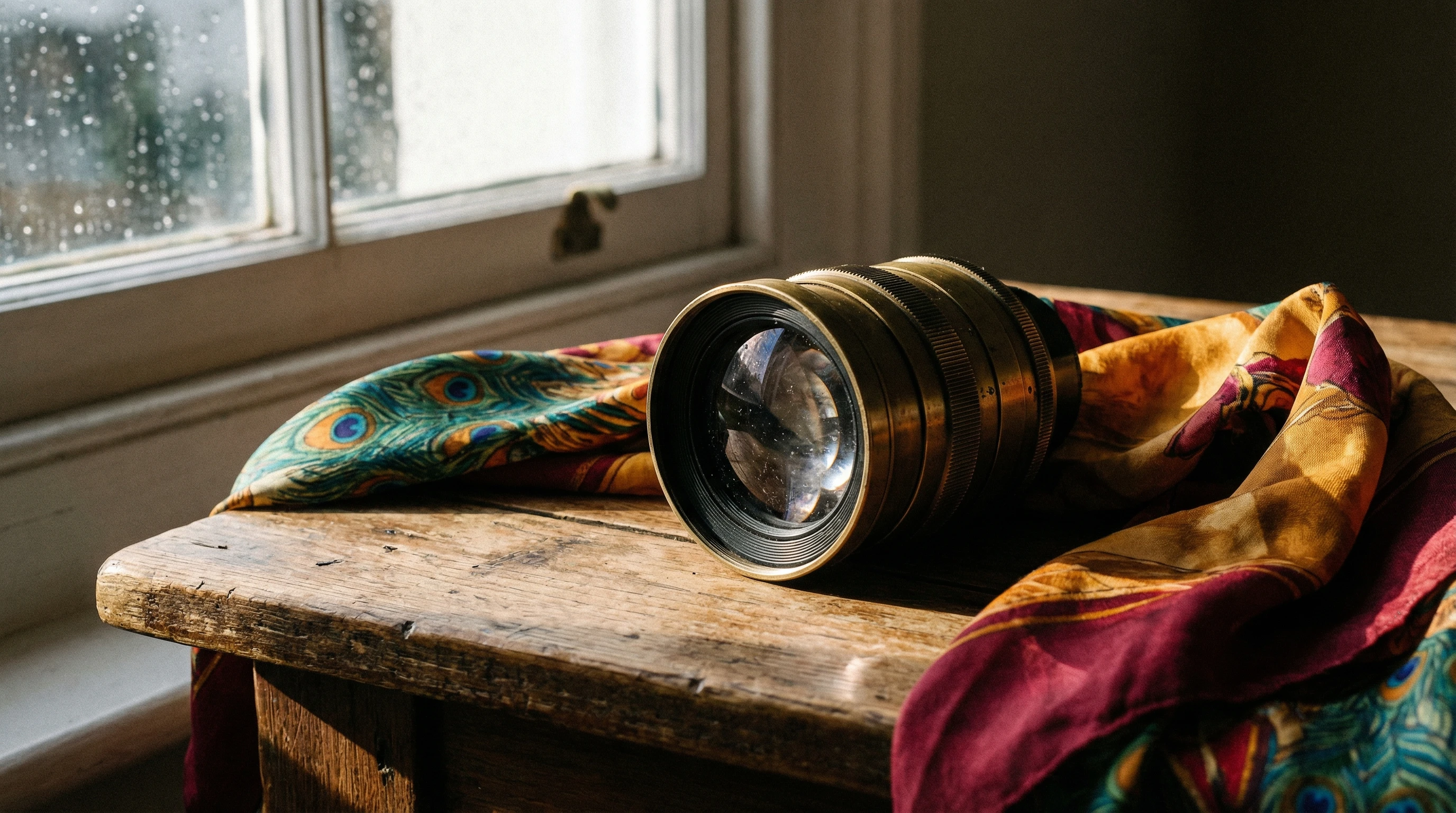
Getting Inspired for Creative Portraits
Figuring out what makes a portrait interesting usually starts with some inspiration. I like to look through photography books, browse Instagram, or even check out scenes from movies for ideas on styling, lighting, and poses. Everyday objects and spaces around your home can also spark creative concepts; sometimes a cool shadow on the wall or a colorful scarf is all it takes to inspire a new shot. The best portraits often happen when you bring your own interests or a sense of play into the session. Mixing your favorite music or a quirky prop can help get genuine reactions and fresh ideas.
Having a little plan is super useful, but don’t feel boxed in by it. Some of my best shots happened when something unexpected came up, like a burst of laughter, a sudden ray of sunlight, or even a gust of wind catching a hat.
Essential Gear for Creative Portrait Photography
Jumping into creative portrait photography doesn’t mean you have to buy a ton of fancy equipment. I started out with a basic DSLR and one lens. These days, even phone cameras work well for experimenting. Here’s what I recommend keeping handy:
- Camera with Manual Settings: Adjusting aperture, shutter speed, and ISO helps you control the mood and look of your portraits.
- Prime Lens (like 50mm): These lenses are great for sharp, detailed portraits and lovely background blur.
- Reflector: Bounces natural or artificial light to soften shadows, brightens faces, and adds a little sparkle to eyes.
- Tripod: Useful for creative selfportraits, long exposures, or when working in low light.
- Simple Props: Think hats, glasses, fabrics, or even household objects that add a playful touch.
If you’re just starting out, use what you have and experiment with DIY gear. I’ve used white poster boards as reflectors, and even bedsheets as backdrops for more dramatic setups. You’d be surprised at how much you can do with just basic equipment and a bit of creativity.

Popular Creative Portrait Photography Ideas
Making portraits stand out is all about experimenting with style and mood. Here are some ideas I love and often recommend:
- Play With Light and Shadows: Use window blinds, leaves, or lace to cast interesting patterns on faces. Try shooting at different times of day for natural drama.
- Incorporate Mirrors: Mirrors provide cool reflections, doubleimages, or unique framing. Handheld mirrors add even more fun.
- Unusual Angles: Shoot from above, below, or the side to get different perspectives. Laying on the ground or climbing a stair can really change the vibe.
- Motion Blur: Have your subject move; twirl, jump, or sway. Use a slightly slower shutter speed to capture a sense of motion.
- Creative Framing: Use doorways, branches, or even friends’ hands to frame the subject for a distinct, artistic look.
- Colorful Backgrounds: Hunt for bold graffiti, painted doors, or bring your own vibrant fabric to set the mood.
Letting go of perfection makes portraits feel more alive and authentic. A little mess, an outofplace curl, or a natural laugh makes for a much more interesting photo than stiff, posed shots. I always remind myself that creativity often shines brightest when things don’t go exactly as planned.
Portrait Techniques That Really Work
Understanding a few camera basics can make a big difference in creative portrait photography. Here’s what I focus on during shoots:
- Aperture: Open up your lens (use an fstop like f/1.8 or f/2.8) for a blurry, dreamy background. This puts all the focus on your subject’s face.
- Focus on the Eyes: The eyes are the first thing people notice. Use single point autofocus and make sure those eyes are super sharp.
- Lens Distortion: Wide angle lenses give dramatic effects when used close up. Play around to see if you like the slightly warped look for storytelling.
- Backlight: Shooting with the sun or a lamp behind your subject gives a nice halo effect, especially during golden hour.
- Bounce Flash: If you’re shooting indoors, point your flash at the ceiling or a wall instead of directly at the face. You’ll get softer, more natural-looking light that’s really flattering.
One of my favorite tricks is simply talking to my subject throughout the session. When people are at ease, their genuine personality comes through, and that’s what creative portraits are all about.

Common Challenges in Creative Portrait Photography
Portrait sessions don’t always go as planned. Here are a few hiccups I’ve run into and how I deal with them:
- Lighting Goes Wrong: If the sun disappears or indoor lights look too harsh, move your subject closer to a window or use a simple reflector to bounce light around.
- Awkward Poses: When your subject feels stiff, have them shake out their limbs, walk around, or even play their favorite song. This helps loosen up and sparks more natural movement.
- Messy Backgrounds: If there’s clutter behind your subject, move yourself or your subject, open up your aperture, or zoom in to blur it away.
- Camera Shyness: Jokes, conversation, and genuine interest in your subject’s day can help people relax and forget about the camera.
Hitting a creative wall is normal. Switching up your location, changing props, or even taking a break can help fuel new ideas when things get stuck.
Working with Props and Styling
Props can be subtle or bold, depending on the vibe you want. I love using items that mean something to the person I’m photographing; it could be a favorite book, a skateboard, or an old family heirloom. Even something as simple as a plant or colorful scarf makes a big difference in composition and storytelling. Sometimes just changing outfits or adding a pop of color helps give extra energy to the whole photo session. Don’t hesitate to ask your subject if they have something personal they’d like to use in the shoot—it usually makes the photos more meaningful.
Making the Most of Natural and Artificial Light
Light is probably the thing that can make or break a portrait shoot. My go-to setup is natural lighting, especially soft window light or the hour before sunset when the sun is low. When shooting indoors, I’ll move lamps around or use string lights for a cozy, next-level cool glow. If you have access to offcamera flash or continuous lights, bounce them off a white wall or ceiling to avoid harsh shadows and create a gentle look. Light sources like fairy lights or neon signs can give a creative twist and make your portraits stand out, especially if you’re looking for something out of the ordinary.
Editing for a Creative Finish
Even with a great shot, a touch of editing can polish things up. I stick to apps like Lightroom or Snapseed, adjusting simple things like exposure, contrast, and colors. Sometimes adding a slight vignette or turning up the contrast on eyes can make portraits really pop. Presets are a handy shortcut for keeping a consistent style across a whole series of photos if you plan to share them online. Experimenting with color grading—not just increasing saturation—can add mood or a retro vibe, giving your shots a signature look. Just remember, a little goes a long way with editing; the goal is to boost the original mood, not cover it up entirely.

Practical Portrait Photography Tips for Beginners
- Work With What You Have: Don’t let a lack of pro gear hold you back; good light, simple backgrounds, and a willing subject are enough.
- Team Up With Your Subject: Ask for their ideas, favorite music, or poses. It’s a great way to make them comfortable and get creative together.
- Shoot Lots: Don’t stop at one or two photos; keep shooting! The more you click, the more likely you’ll capture genuine expressions or cool accidents.
- Review As You Go: Take a peek at the back of the camera or your phone screen to see what’s working and switch things up if you need to.
- Have Fun: Portrait photography is all about connection and fun. If you’re enjoying yourself, your subject will too, and it’ll show in the photos.
Frequently Asked Questions
Here are questions people often ask when they’re new to creative portrait photography:
Question: What’s the best lighting for portraits?
Answer: Soft, natural light from a window or shaded outdoor area usually looks best. Shooting during golden hour, just after sunrise or before sunset, gives flattering warm tones.
Question: How do I help shy people relax in front of the camera?
Answer: Get to know them, chat casually, and keep the mood light. Demonstrate poses and use props to take attention away from the camera.
Question: Do I need an expensive camera for creative portraits?
Answer: Not at all. Many great portraits are made with phones or budget friendly cameras. Technique, creativity, and connection matter way more than gear.

Creative Portrait Photography: The Takeaway
Trying out new ideas and playing with simple techniques is the best way to take up a notch your creative portrait photography. Bring curiosity, experiment with your gear, and connect with your subject; the most memorable portraits usually happen when everyone is having a great time. Keep your eyes open, play with what you’ve got, and don’t be afraid of a few surprises along the way. Each session is a chance to make something that really expresses who your subject is, and that’s where the magic happens.