If you ever find yourself drawn to photos that make you pause and wonder what exactly you’re looking at, you’ve probably bumped into abstract photography. This style of photography doesn’t stick to the rules of classic portrait or landscape shots. Instead, it plays with light, color, shapes, and patterns to create images that leave plenty to the imagination. Exploring abstract photography can be pretty freeing, especially if you like experimenting with your camera or smartphone for more creative results.
What Abstract Photography Really Means
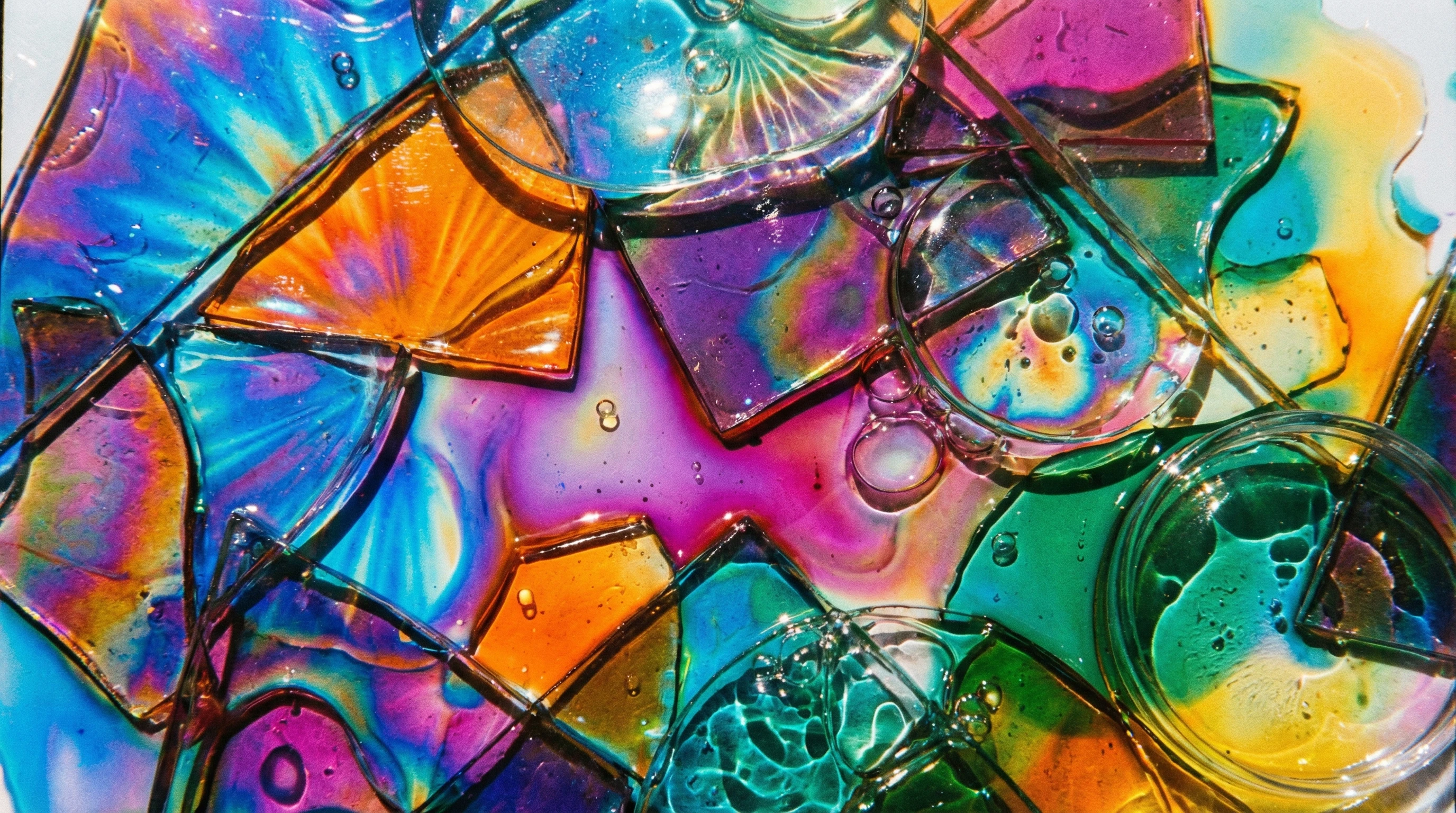
Abstract photography, sometimes also called nonobjective or experimental photography, is all about breaking away from the usual point of reference. Rather than capturing a recognizable subject, the goal is to highlight textures, forms, patterns, color contrasts, or just interesting visual effects. The final image may not resemble the original scene at all, and that’s part of the excitement.
This style of making photos isn’t new; artists have been playing around with camera tricks since the early 1900s. Some of the earliest examples come from photographers like Man Ray, who worked with photograms and light to create cool, unconventional results. Today, anyone with a camera can try their hand at abstract photography, even with a basic smartphone camera and some creative thinking.
Abstract photography attracts people who want a fresh challenge, something that goes past standard rules of sharpness, exposure, or even composition. If you like trying out different settings, playing with editing apps, or finding beauty in everyday textures (like wood grain or soap bubbles), this type of photography is a playground for your imagination.
What I love about abstract photography is how it naturally fuels creativity. You don’t need a fixed plan—sometimes the best shots happen by accident, just by looking at the world a little differently. There’s a certain thrill in not knowing exactly how a shot will come out until you review it later. It’s about getting out of your comfort zone and really letting loose with your perspective. This approach gives you a chance to let your instincts and curiosity lead the way rather than strict technical know-how.

Gear and Tools for Getting Started
When you’re just getting started with abstract photography, fancy gear isn’t always needed. In fact, simplicity can lead to the most interesting results. Here are some useful tools and gear to consider as you start your adventure:
- Camera: Any camera works—a DSLR, a mirrorless, or even a smartphone camera. What matters more than megapixels is your sense of curiosity.
- Macro Lenses: These are handy if you want to capture tiny details up close (like water droplets or the veins of a leaf). They help bring out textures that can look pretty eye-catching in abstract work.
- Tripod: Using a tripod lets you experiment with longer exposures and lowlight effects, plus it’s great for keeping your shot steady if you’re getting really close to your subject.
- Lighting: Try desk lamps, flashlights, sunlight, or even colored LED lights for creative lighting setups. Lighting changes can turn an ordinary object into something new.
- Everyday Items: Anything from kitchen foil, glass, oil, or fabric can become the star of an abstract photo. You’d be surprised what a zoomed-in section of a crumpled bag or spilled paint can look like under the right conditions.
You want gear that helps you experiment, not limits you. You might also add a remote shutter release for long exposures or play with different colored gels to give your scenes new vibes. Don’t forget to use what’s around you—windows, mirrors, and even plastic wrap can set up cool effects without spending extra.
Techniques and Approaches to Making Abstract Photos
There’s really no “right” way to make an abstract photograph. Experimenting with techniques and approaches is where the fun really begins. Here are a few of the most approachable ways to get creative with your shots:
- Focus on Patterns and Textures: Get close to your subject and let the repeating shapes, lines, or textures fill the frame. Think tree bark, tiled floors, rusted metal, or bubble wrap.
- Use Motion Blur: Move your camera as you take a photo, or let your subject move. Lower your shutter speed and see what happens with a sweeping hand or a spinning light source. You can create flowing lines or dreamy shapes this way.
- Play with Reflections: Glass, water, or even shiny countertops can add a whole new layer of abstraction. Sometimes flipping the image upside down adds an extra twist.
- Go Macro: Super closeups turn ordinary objects—leaves, ice, fabric, food—into unrecognizable works of art. A tiny subject can look totally different when you fill the frame with it.
- Experiment with Color: Saturate colors during editing, or look for bold, natural color blocks in real life. Multiple colored gels or LED lights can mix up the mood entirely.
- Intentional Camera Movement: Purposefully moving your camera up, down, or swirling it during a long exposure can create streaks or painterly effects right in-camera.
- Double Exposure: Layer two different images either in-camera (if your camera supports it) or during editing to build up unpredictable blends and textures.
You can also play with focus, experiment with unconventional angles, or photograph through other objects (like glass bottles or leaves). Even simple editing tricks—like inverting colors, adjusting curves, or flipping the image—can make a huge difference in the end result.

Troubleshooting Common Abstract Photography Problems
Even though abstract photography gives you a lot of creative freedom, it can be tricky to get shots you truly like. Here’s how I deal with some typical issues:
- Lack of Visual Interest: If your image feels boring, try getting closer, changing up your angle, or adding new color elements with light or props. Sometimes cropping in during editing to make the composition tighter works too.
- Unwanted Noise or Grain: Shooting in low light can make your photos noisy, especially with smartphones. Adding a little extra light or using noise reduction in your editing app can make things look much cleaner.
- Overdoing Effects: It’s easy to get carried away with filters and color editing. I try to keep checking the shot’s overall vibe without losing what drew me in at the start.
- Out of Focus Shots: Sometimes abstract shots can actually be out of focus on purpose, but if you want certain details sharp, use manual focus or focus lock, especially when shooting up-close or with a wide aperture.
Trying these little tweaks can keep your abstract work looking intentional and interesting instead of just random or blurry by mistake. Don’t be discouraged if certain photos don’t turn out—the fun is in experimenting and seeing where your creativity takes you.
Tips to Keep Improving Your Abstract Photography
The best part about abstract photography is that there are no strict rules to follow. Even so, a few tips can help you take things up a notch:
Keep Your Eyes Open: Some of the best abstract images come from everyday places. Patterns in the pavement, weird shadows, a splash of oil in a puddle—these can all turn into really cool photos if you’re paying attention.
Edit With Purpose: Editing apps like Lightroom, Snapseed, or Photoshop give you loads of control over color, contrast, and sharpness. I always try to think about what pulled me toward the shot and use editing to shine a light on that quality.
Learn From Others: It’s helpful to look at abstract photos from other photographers to see what kinds of patterns, techniques, or color choices they use. Scrolling image galleries or joining online photography groups can help spark new ideas and help you grow as a photographer.
Recapture and Remix: Don’t be shy about reshooting a subject with different lighting, backgrounds, or even new camera settings. I’ve shot the same crack in the sidewalk five times, and each one turned out different. This kind of practice is great for keeping your creative thinking sharp.
Print Your Work: Sometimes abstract images look even better printed and hung up on a wall, which can show you new things you didn’t notice onscreen. Sharing printed work with friends, or using it to redecorate, gives your photos an added sense of accomplishment.
Another tip: don’t hesitate to move or adjust your subject, especially when working indoors. Sometimes just rotating or tilting an item creates powerful lines and hidden patterns that make your photo pop.

Abstract Photography in Everyday Life
Shooting abstract photos isn’t just for galleries; it’s a fun way to see everyday spaces and objects differently. I like to walk around my neighborhood or even just explore rooms at home, camera in hand, looking for anything with a unique pattern. The ripples in a mug of coffee, colored projections through a glass of water, or sunlight casting weird shadows on a wall—all fair game.
- Interior Decor: Your abstract photography can turn into personalized artwork for your home. Printed canvases of your favorite shots add a creative touch to any room.
- Phone Backgrounds: I use some of my more colorful shots as wallpapers because they really brighten up my phone or tablet.
- Gifts: Framed abstract prints make for thoughtful and unique gifts, since no two shots come out exactly the same.
Abstract photography also fits perfectly into creative journaling. Adding your own photos to sketchbooks or planners is a fun way to document your daily life from a new angle. If you like social media, abstract shots often stand out in a crowded feed, grabbing viewers’ curiosity for a moment longer.
Frequently Asked Questions
Question: Do I need expensive equipment to try abstract photography?
Answer: You don’t! Many photographers use just their smartphones or basic cameras. What matters most is seeing everyday things in fresh ways and experimenting with angles, light, and editing.
Question: Where should I find inspiration for abstract images?
Answer: Inspiration is all around you—kitchens, sidewalks, parks, even letters and papers on your desk. Online galleries and social media can give you new ideas, but keep exploring your own spaces for unique finds.
Question: How can I make sure my abstract photos don’t just look random?
Answer: Focusing on a strong pattern, color contrast, or repeating shape gives your photo a sense of purpose. Try cropping and editing to shine a light on the features you find most interesting.

Final Thoughts on the Art of Abstract Photography
Jumping into abstract photography is all about seeing the world a little differently and not being afraid to play with your camera or phone. You’ll begin to notice patterns, textures, and colors you used to walk right past, and each photo session might just feel like a creative adventure. It’s a style where “mistakes” often become happy surprises, and being open to new techniques will keep the process exciting. Grab your camera and give abstract photography a try; you might stumble upon your favorite shot when you least expect it.