Photographing special moments or everyday scenes is a pursuit many of us enjoy, and over time the technology available to us has grown significantly. DSLR and mirrorless cameras are two popular types that many photographers debate over. Both systems have advantages that can suit different styles and needs. In this article I share my insights on both types along with practical tips to help you make the best decision for your photography adventure.
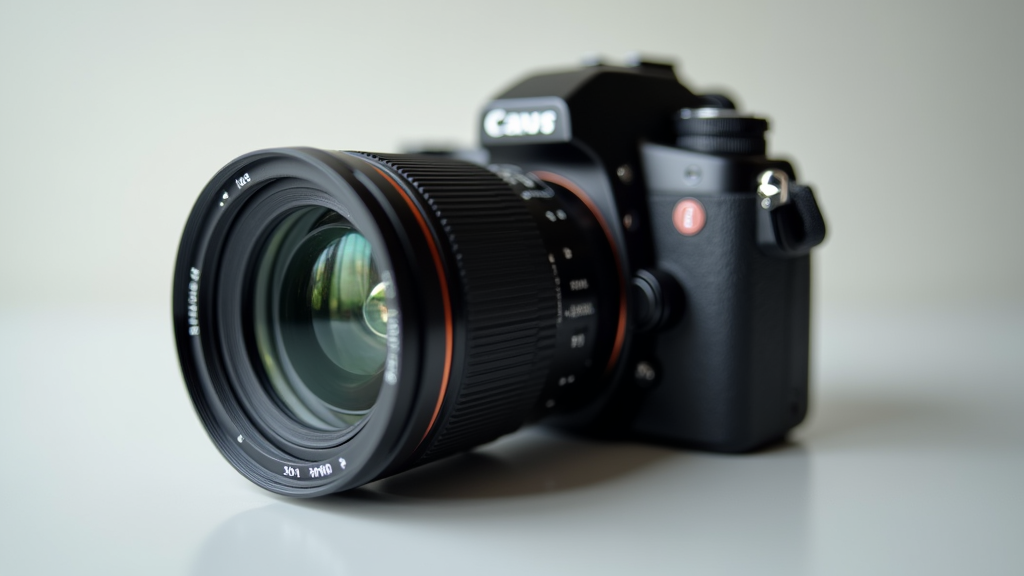
Understanding DSLR and Mirrorless Camera Systems
DSLR, or digital single-lens reflex, and mirrorless cameras are the two primary systems available for modern photography. Mirrorless is newer technology and definitely trending lately, but each system comes with its own set of strengths and challenges. The way each camera functions not only changes the shooting experience but also influences factors like size, weight, battery life and lens compatibility.
As an Amazon Associate I earn from qualifying purchases.
DSLRs use a mirror mechanism to reflect the image from the lens to an optical viewfinder. This design has been around for decades and is well trusted by many photographers. In contrast, mirrorless cameras eliminate the mirror and use electronic viewfinders or the main LCD screen to compose shots. This switch up in design allows for a more compact construction and often faster performance in certain areas.
Core Features to Consider
A clear understanding of the key components of both DSLR and mirrorless cameras helps in making an informed choice. I like to consider a few main features before picking a camera including sensor size, autofocus speed, viewfinder type, battery life and the overall system’s weight and ergonomics.
Sensor size is very important because it influences image quality and performance in low light conditions. Larger sensors can capture more detail and produce better overall results, a factor that many professionals appreciate. I love shooting indoor and evening sports so adequate sensor size is a huge factor for me when it comes to stopping motion in suboptimal light. Autofocus systems have also improved over time, especially in mirrorless cameras which now rival or sometimes exceed the speed and accuracy of DSLRs.
When it comes to viewfinders, optical viewfinders in DSLRs offer a direct line of sight through the lens. Mirrorless cameras, however, use digital displays that show a real time preview of the shot. This difference can affect the shooting style, particularly in bright outdoor conditions where an electronic viewfinder might be easier to read. I’m almost always looking through the small viewfinder rather than using the larger LCD screen at the back and I have found both to work well for that method with no real preference. Understanding the trade-offs in features helps in evaluating what matters most for your particular needs, how and what you primarily shoot can sometimes be the deciding factor of which camera body holds more strengths for your needs.

Getting Started: Choosing the Right Camera
Before investing in a new camera, it is essential to understand your photography style and what you want to improve on. I always consider how I plan to use the camera first and foremost. If I often shoot events or need a robust autofocus system, the speed and technology of mirrorless systems might be very appealing. However, if I prefer a camera with a well established history, reliable battery life and a broad selection of lenses, a DSLR might suit my needs better.
At the moment, I already have a variety of good lenses that mount on a DSLR without a convertor. However, I am also quite happy with the quality of my D7200 for a DSLR. For me, that leaves adding to my lens collection with more good glass and a spectacular telephoto higher on my priority list than purchasing another body would be, but I do hope to own a mirrorless someday as well.
Many photographers begin with an entry level DSLR because it provides a familiar interface and high durability. They’re proven and they’ve been around a while so repairs tend to be easy to find someone for. On the other hand, mirrorless cameras emphasize innovation in areas like video recording and advanced autofocus. They offer a more compact build which can be useful for travel or casual photography where carrying heavy equipment is not ideal. I do tend to do a lot of hiking with my camera so the lighter travel is super appealing, and will likely be ultimately what pushes me over the edge to buy a mirrorless someday.
Back when I purchased by D7200 it was considered a semi-professional camera, now with all of the advancements it sits closer to entry level. If you’re looking into buying your first camera and budget is limited you can often get a great deal on used equipment that is fully functioning – just go through a reputable dealer (I like Henry’s) so that you know you’re getting a camera that actually works and isn’t someones throwaway.
Your Quick Guide to Finding the Camera That Fits You
Starting your photography adventure can feel a bit overwhelming given the variety of options. Here are some straightforward steps that you can follow to help narrow down your choice:
- Determine your main photography style: Decide whether you will mainly capture action, portraits, landscapes or a mix of different styles. Then consider which features are the most important for your typical shoot.
- Research both systems: Check out reviews and sample images from DSLR and mirrorless cameras to see which results are more to your liking.
- Test the feel: If possible, handle both types in a store to experience the weight, grip and overall ergonomics. If you can’t picture yourself comfortably shooting for hours at a time then it’s probably not for you – make sure you consider the grip both handheld and on a tripod if you’ll be using the camera both ways.
- Consider future growth: Evaluate the lens selection and system glow-up for both types to ensure they can support your growing skills.
- Set your budget: Photography is a significant investment, and determining how much to spend at the outset can narrow your search.
These steps help ensure that you are choosing equipment that will support both your current needs and future growth as a photographer.

Considerations Before Investing in Your Camera
Choosing between DSLR and mirrorless systems involves more than just picking your favourite style. I always work through some common considerations before making any purchase and recommend you do the same. These aspects help me understand how well a particular camera system fits my personal workflow.
- Sensor Size: Larger sensors generally provide better image quality. Many mirrorless systems come with excellent sensors that rival those found in DSLRs, but some high end DSLRs still lead in low light performance.
- Lens Compatibility: A great system should offer access to a wide range of lenses. DSLRs benefit from many years of accessory development. Mirrorless cameras are catching up quickly with extensive lens lineups available from both major and third party manufacturers. As we head into 2027 I wouldn’t consider the options available to be as big of a factor anymore, but what you already have access too or how much you intend to purchase used vs new may still come into play.
- Viewfinder Options: Consider whether you prefer an optical viewfinder or an electronic one. I have found that optical viewfinders often give a natural feel which some photographers favour, while electronic viewfinders provide useful overlays for settings. Personally, both styles suit me well enough, but you may have a stronger preference for one over the other than I do.
- Battery Life: DSLRs usually have longer battery life because they do not have to power a digital display constantly. Although mirrorless cameras have been improving, managing battery life remains an important factor. I like to keep extra batteries on hand regardless, so when purchasing mirrorless I would probably just factor in the cost of keeping a few backup batteries and an extra charger into my budget.
- Ergonomics and Build: Handling is always a personal matter. I have tried both systems extensively and found that the balance and grip depend largely on brand and specific model. Testing a camera before purchase can reveal which feels more comfortable in your hands.
Sensor Size
Sensor size contributes significantly to image quality. A larger sensor collects more light, which is beneficial in low light conditions and for achieving a shallow depth of field. In practice, many photographers must decide whether the slight advantage a larger sensor offers is worth the often increased cost and size of the camera body. At this point in my life, knowing what I like to shoot, sensor size and capabilities would be a huge factor in my decision but if you primarily shoot indoors with a flash or lighting setup it may not matter so much to you.
Lens Compatibility
Lens selection is extremely important. DSLRs have a legacy of lenses that fit various budgets and needs. Mirrorless cameras originally had fewer lens options, but this gap is closing quickly. Both systems allow for versatile creativity, so understanding the current lens options makes your decision simpler.
Ergonomics and Build Quality
Working with a camera that feels natural in your hands is more than just a luxury. It can actually improve your shooting experience. I always test the grip, button layout and overall balance before buying any new equipment. This hands on testing can make a big difference, especially during long shooting sessions.
These considerations help ensure that your choice will work for both casual snapshots and more serious photography assignments. They are practical areas to evaluate once you have an idea of your usage patterns.

Advanced Tips and Techniques for Using Your Camera
Once you become comfortable with the basics, stepping up your skills can really give a boost to your photography. I have learned several techniques that work well with both DSLR and mirrorless cameras.
Mastering Exposure Settings: It is important to experiment with ISO, shutter speed and aperture to see how changes affect your final image. Understanding how these settings interact helps in managing different lighting situations effectively.
Use Manual Focus When Needed: While autofocus in many modern cameras is very advanced, sometimes manual focus offers better control. This is especially true when shooting in challenging conditions or when the subject is not aligned with the autofocus points.
Explore the Use of Custom Profiles and Settings: Modern cameras allow you to save custom settings that suit particular conditions. I save profiles for low light, fast motion and portraits so that I can quickly switch between setups as needed. This practice helps me capture the right shot without fumbling with multiple adjustments every time.
Take Advantage of In-Camera RAW Processing: Shooting in RAW gives you more room to tweak the image in post production. Both DSLR and mirrorless cameras usually offer RAW modes, which grant greater control over exposure, contrast and white balance. Experimenting with RAW files has made a noticeable difference in image quality for my work. I still like to see a more polished version off the bat without losing the editing power later so I keep my camera set to JPEG fine + RAW and just accept that it means having a few extra memory cards on hand.
These techniques are useful for fine tuning your work and developing a signature style. Advanced features may seem overwhelming at first but with regular practice, managing them becomes second nature.
Equipment Focus: What Beginners Should Prioritize
For newcomers, investing in equipment that supports learning and growth is essential. Choosing a camera system that is easy to understand and use helps build confidence over time. I often recommend beginners consider the following factors:
- Balanced Performance: Look for a camera that can handle both still photography and video if you plan on exploring both areas. Most these days can, but if you’re looking into used equipment it’s definitely worth verifying.
- Ease of Use: An intuitive user interface reduces the learning curve. A camera that offers simple manual overrides can be very beneficial to beginners. I spent a lot of time learning how to shoot manual and during that initial phase the auto options saved my but big time on many a shoot. They might not have totally matched the quality I can create with manual not but they certainly outperformed when I was creating with manual settings at the time.
- System Flexibility: Ensure that the system you choose offers a wide range of accessories and lenses. Such flexibility allows your creative ideas to grow without needing a complete system overhaul. This is a fairly safe bet with the major brands, but if you’re going a little sideways to try and find something more economical it’s a fairly important consideration as you’ll want to buy glass that could potentially switch over to a different body later when you choose to upgrade.
Investing in one system over the other should ideally be based on your personal style and how you plan to develop your skills over time. A well rounded system supports experimentation and, eventually, advanced techniques as you progress.
Frequently Asked Questions
Below are some common questions I get regarding DSLR and mirrorless cameras, along with the answers I have come to trust over my years of photography.
Question: Which camera system is better for beginners?
Answer: Both DSLR and mirrorless cameras are suitable for beginners. DSLRs offer a familiar interface and long battery life, while mirrorless cameras provide compact designs and advanced features like excellent autofocus capabilities. There are probably a few more free tutorials out there on DSLR use since it’s been popular longer, but really you should be able to find what you need fairly easy for any body from a major brand. Your decision should depend on what feels most comfortable and what fits your budget.
Question: What about lens compatibility? Can I switch lenses easily?
Answer: DSLRs benefit from years of available lens options that span many price points and specialized functionalities. Mirrorless systems are rapidly expanding their lens offerings. In many cases, mirrorless cameras can also adapt older DSLR lenses using an adapter, which provides a smooth transition between systems while you build up a collection of mirrorless lenses over time.
Question: Are mirrorless cameras good in low light situations?
Answer: Recent mirrorless cameras have greatly improved in low light performance. Their sensors compete closely with those in DSLRs, and some models even offer advanced noise reduction. Testing cameras in your specific shooting conditions is the best way to determine which system works for you. Some camera shops offer rentals which can be a great way to test fit before you buy.

Final Thoughts
When evaluating DSLR and mirrorless cameras, I have found that understanding the features, practical considerations and personal usage is key. Both systems offer unique benefits. DSLRs provide excellent battery life and a traditional shooting experience, while mirrorless cameras showcase improvements in size, performance and modern features.
My experience has shown that practicing and fully exploring your chosen system is the best way to learn. Equip yourself with essential gear and use patient experimentation to master the tools at your disposal. This approach makes even the differences between these camera types feel like natural progressions in your photography adventure.
Choosing a camera represents the start of a creative adventure. Apply what you have learned, pay attention to features that work for you and don’t hesitate to invest time testing different models. Equipment rental can be so valuable for a true try before you buy. With clear priorities and practical steps, you can be confident in the choice you make while continuing to push your photography skills further.
Start your exploration of DSLR and mirrorless systems today and enjoy the process of mastering photography as you capture moments that matter. May this guide help provide clarity when you visit your local camera store or peruse online reviews and comparisons.
Extended Insights and Future Considerations
Beyond the core features and practical tips already discussed, there is a wealth of additional information that can give you a deeper understanding of how to use your camera to its fullest potential. Taking time to experiment with different shooting modes, custom settings and creative techniques can open up new avenues of expression. For example, exploring bracketed exposures or playing around with long exposure photography can reveal hidden details in everyday scenes. These extra practices not only build technical skills but also help develop a personal style that is unmistakably yours.
Furthermore, staying informed about firmware updates and new accessory releases can give you a competitive edge over time. Many manufacturers now offer regular updates that improve camera performance, add new features or even fix shortcomings in earlier designs. By keeping an eye on these developments, you ensure that your equipment remains current and capable of meeting evolving creative demands. In addition, participating in photography workshops or online communities allows you to exchange ideas and learn from others. Sharing experiences and tips can spark inspiration and encourage you to try techniques you might not have considered before.
Overall, the more you invest in understanding your camera’s capabilities and refining your shooting techniques, the more rewarding your photographic adventures will become. Embrace both the technical and artistic sides of photography and let every shot be an opportunity to grow, experiment and ultimately capture images that resonate with your vision.