If you’ve ever scrolled through a gallery of photos and felt pulled into an image, chances are the photographer used some pretty smart composition techniques. Creating captivating photos isn’t just about having a fancy camera; it really comes down to arranging things in the frame. I’ve spent years experimenting with different approaches, and I’ve seen how a few straightforward techniques can change the mood and impact of a shot, whether it’s taken with a DSLR or a smartphone.
The Foundation: Why Good Composition Matters
Composition refers to the way elements are arranged within a photo. It’s the photographer’s toolkit for guiding a viewer’s eye, telling a story, or simply making an image feel pleasing. Learning a bit about composition helped my photography go from flat snapshots to images that grab attention.
The cool thing is that great composition isn’t tied to one style or subject. Whether you’re snapping city architecture, nature scenes, or family moments, applying composition basics gives every photo a professional edge. Even a minor adjustment in framing or angle can completely change the message or mood you’re sending. For anyone starting out, practicing composition is one of the fastest ways to get better results without upgrading your gear. If you give these concepts some regular practice, you’ll notice a positive difference really quickly.

Getting to Know the Classic Composition Techniques
Certain rules and techniques have stuck around in photography for good reason; they just work. Here are some go-to approaches I use often and always keep in mind when I’m out shooting:
- Rule of Thirds: Split your frame into a 3×3 grid, and place key elements where the lines intersect. It’s an easy way to make photos feel balanced and interesting.
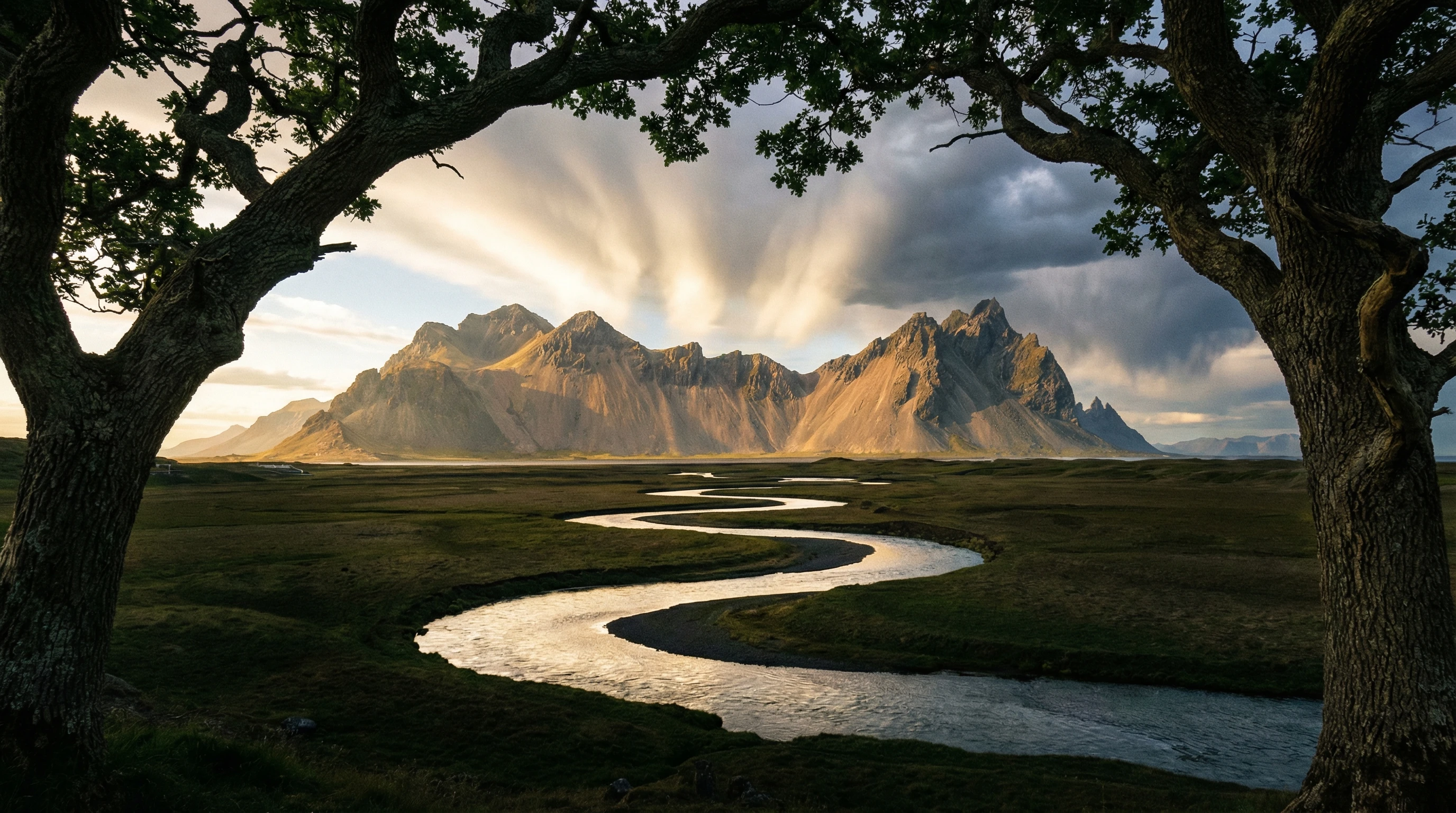
- Leading Lines: Use natural or manmade lines, such as roads, fences, or rivers, to guide the viewer’s eye toward your subject or through the scene.
- Framing: Find objects like doorways, windows, or tree branches to create a frame within your image. This highlights your subject and adds depth.
- Symmetry and Patterns: Look for repeating shapes or mirrored reflections. These scenes can be really eye-catching and bring a sense of calm or order to your photos.
- Fill the Frame: Get closer and let your subject dominate the shot. This works especially well for portraits or when you want to show off detail and texture.
- Negative Space: Leave lots of empty space around your subject to draw more attention to it. Minimalist photos can be really powerful when done right.
These techniques work for all sorts of photography styles. I find myself naturally using several of them together as I explore different scenes, and every experience adds another layer to my approach. Try combining these methods in new ways to see what you like best, and the variety in your photos will start to shine.
Quick Checklist to Experiment With Composition
When I want to shake things up or try a fresh approach, these steps help me get better results and notice new creative possibilities:
- Scout the Location: Take a minute to walk around and look for unique viewpoints or interesting elements to use in your shot.
- Decide on a Clear Subject: Figure out what you want the viewer to notice first, then plan your composition around it.
- Test Different Angles: Don’t just settle for eye-level shots. Try kneeling, climbing, or shooting from the side to see what works best.
- Check the Background: Make sure nothing distracting pokes out from behind your subject.
- Try Both Horizontal and Vertical: Switching the orientation of your camera can totally change the feeling of the photo.
- Take Several Shots: Move around and capture the same subject from different positions. Later, pick the version that works best.
If you run through these steps with each shoot, you’ll start to see which choices regularly create more engaging photos. Don’t be afraid to try each idea several times. Repetition is what leads to growth in skill and creativity.

Common Hurdles to Watch Out For
I’ve bumped into plenty of composition mistakes along the way. Knowing what to look out for can save you from making the same missteps. Here are a few challenges that tend to pop up, plus some advice for dealing with them:
- Cluttered Backgrounds: Too much going on behind your subject can be distracting. Move your camera or your subject to clean up the frame, or use a wider aperture to blur it out.
- Cropped Subjects: Accidentally cutting off limbs, heads, or important parts of your subject can look awkward. Leave a little extra space when framing, and crop after if needed.
- Flat or Static Shots: Photos without a clear focal point or visual path can feel dull. Use leading lines or layering to add dimension and guide your viewer’s eye.
- Boring Light: Bad lighting can flatten even a great composition. Early morning or late afternoon (the golden hour) usually gives much more interesting results.
- Ignoring Edges: It’s easy to focus only on the center of the frame, but sometimes the most distracting things sneak in from the sides. Always check your viewfinder corners before clicking.
Getting comfortable with recognizing and fixing these issues comes with time and practice. I’ve found that staying sharp about them makes my shooting process more deliberate and results in photos with a stronger impact.
Cluttered Backgrounds
If there’s lots of visual noise behind the main subject, even a well-posed portrait can lose its punch. I usually solve this by changing my angle, moving the subject, or using a wider aperture for shallow depth of field. Sometimes, just stepping a couple of feet to the side makes all the difference.
Flat or Static Shots
Images without depth or direction tend to get scrolled past quickly. I often look for a foreground element, such as a flower, fence, or shadow, to add layers. Including something in the foreground, middle, and background helps create a sense of three-dimensional space.
Ineffective Cropping
Accidentally trimming a key part out of the frame can weaken your photo. I like to leave a bit more space than I think I need, so I have room to crop later if the composition needs tweaking.
Advanced Tricks to Boost Your Photo Compositions
Once you’re comfortable applying the basics, there are a few creative techniques that can push your photography even further:
Layering Elements: Including elements at different distances from the camera builds a photo that feels more dynamic and real.
Playing With Perspective: Shooting from extreme angles, such as straight up from the ground or directly above, turns everyday scenes into something surprising. Experiment with perspectives to find something truly unique.
Breaking the Rules: Sometimes ignoring the rule of thirds or embracing off-balance compositions leads to unexpected and striking results. If something looks “off” but grabs attention, roll with it and see what happens.
Using Color and Contrast: Bold color combinations or strong contrast between light and dark can make key elements pop and give your image a unique mood. Study how color affects the mood in other people’s photos and try using it in your own work.
Taking risks with composition helped me develop a personal style, and trying new things keeps photography fresh and exciting. Never stop exploring new ideas—a small creative twist can set your work apart.

Choosing the Right Gear for Strong Composition
Gear isn’t everything, but having a camera you’re comfortable with helps you focus on creative decisions and not technical headaches. I started out snapping with smartphone cameras, and with the right eyes for composition, those photos still get plenty of compliments from friends and family.
- Prime Lenses: These fixed focus lenses challenge you to move around and think more about your framing, which is a great way to train your eye.
- Tripods: If you like landscapes or night shots, using a tripod steadies your camera and lets you compose carefully before pressing the shutter.
- Wide Angle Lenses: These make it easy to play with leading lines, capture more landscape, or exaggerate the sense of space in a scene.
It’s always fun to try out new equipment, but you don’t need to spend a lot to practice strong composition. Even apps with builtin grids (like most phone camera apps) are handy for nailing the rule of thirds. Sometimes, keeping it simple actually pushes your creativity further.
Frequently Asked Questions
I get lots of questions from folks starting out or looking to refine their photography skills. Here are answers to a few that come up regularly:
Question: Is it okay to ignore composition rules?
Answer: Absolutely. Rules are just guidelines. Once you’re familiar with them, breaking the rules on purpose can lead to some really original and engaging images.
Question: Can composition fix a boring subject?
Answer: Good composition can make almost anything look interesting. Look for light, patterns, or angles to create a fresh take, even with everyday subjects.
Question: Do I need fancy equipment to use these techniques?
Answer: Not at all. Strong composition works with any camera, from a smartphone to a DSLR. Focus on practicing the techniques, and the results will show.

Keep Exploring and Practicing
Great composition comes down to practice, patience, and a bit of playfulness. I’ve found that once you start putting these techniques into action regularly, they become second nature and make every photo shoot more fun and rewarding. Try different approaches, review your images, and keep challenging your own perspective. The captions, likes, or compliments you get will be extra rewarding when you know you created a truly captivating shot using your own creative eye. Remember, the more shots you take, the better you’ll get, so grab your camera and start experimenting—even with what you consider ordinary scenes, there’s always something new to see and capture.