Capturing sharp wildlife photos can be incredibly satisfying, but anyone who’s tried it knows that a tack-sharp animal portrait isn’t just about pointing your camera and hoping for the best. I’ve spent hours in the field tracking everything from tiny songbirds to massive elk, and sharpness makes all the difference between a good shot and one worth framing. Here’s my full guide on best practices for capturing wildlife photos that look crisp, clean, and professional every time.
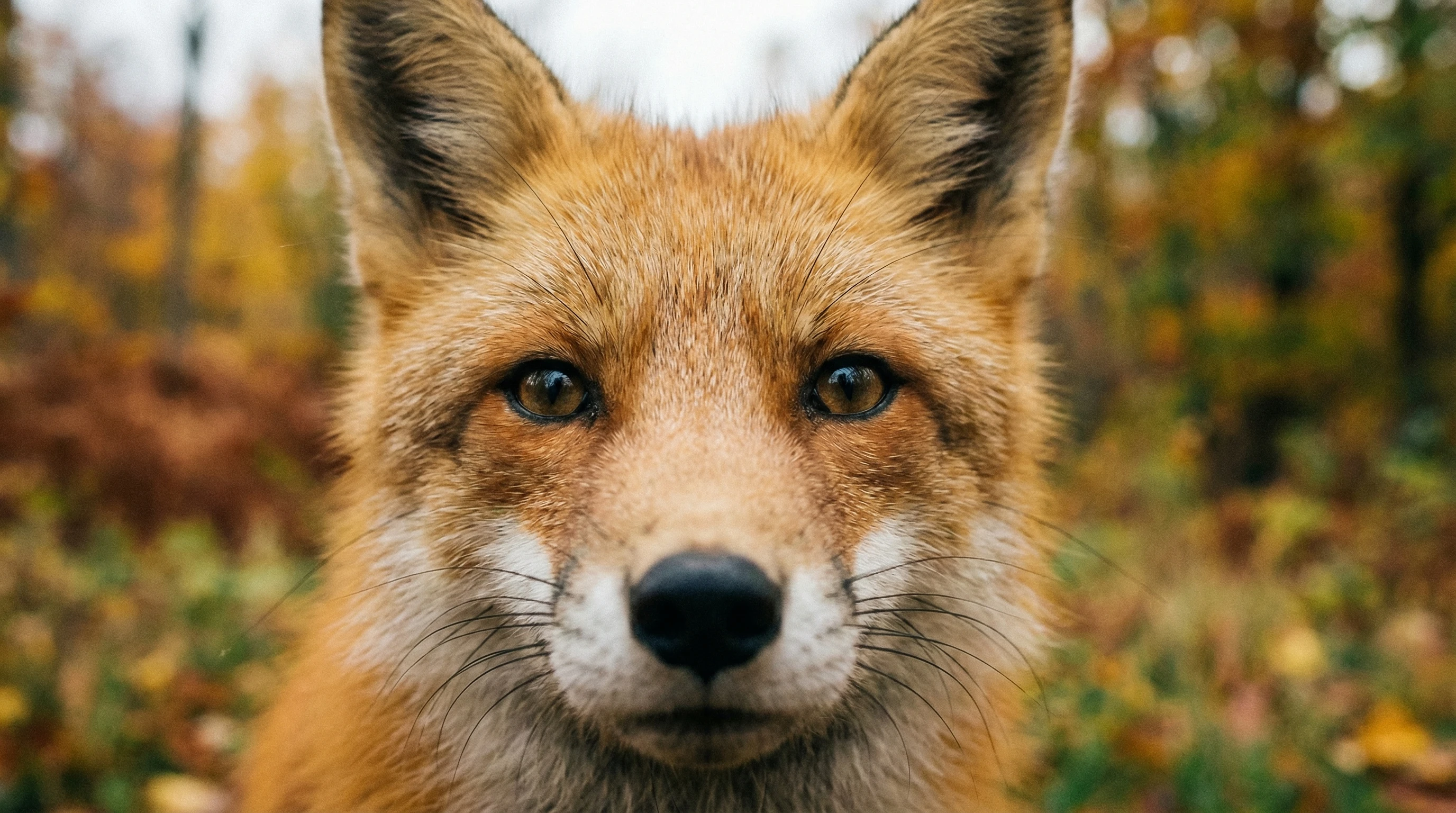
Understanding the Importance of Sharpness in Wildlife Photography
Sharpness brings out the texture in a subject’s fur, feathers, or scales, and creates a sense of realism that pulls viewers into the scene. I’ve found that even a well-composed image can fall flat if the main subject looks slightly blurry. When photographing wildlife, you rarely get second chances. A fleeting glance, a surprise movement, or a mix in the wind can change everything. Nailing focus and sharp detail becomes even trickier when you factor in long telephoto lenses, fast-moving animals, and unpredictable natural light.
As an Amazon Associate I earn from qualifying purchases.
Some of the challenges that make sharp wildlife photos tricky include:
- Unpredictable Movement: Animals are rarely still, so I always prep for sudden jumps, birds taking flight, or a fox darting through brush.
- Changing Light Conditions: Wildlife often comes out at dawn or dusk, when light levels are low and settings really matter.
- Long Lenses: Telephoto lenses magnify not just the subject but also camera shake and atmospheric haze.

Picking the Right Equipment
Gear won’t magically make a photo sharper, but the right equipment sets you up for success. Here’s what I’ve found works best for getting crisp wildlife shots:
- DSLR or Mirrorless Camera: Fast autofocus and good low-light performance matter a lot.
- Telephoto Lens: Lenses in the 300mm to 600mm range will let you fill the frame from a distance and stay hidden. Fast glass (larger aperture numbers like f/2.8 or f/4) helps in low light, but even f/5.6 can work with careful technique.
- Sturdy Tripod or Monopod: These are pretty handy with heavier setups, especially for long sessions or in fading light. A monopod gives flexibility if you’re following moving subjects, while a tripod works well if you’ve staked out a spot.
- High-Speed Memory Cards: Shooting bursts of RAW images means a lot of data, so cards that can keep up with your camera’s buffer help avoid missed shots.

Camera Settings for Maximum Sharpness
I always spend a minute dialing in my settings before going out in the field. Getting these right can make all the difference when things start happening fast.
- Shutter Speed: Keep it high for sharpness. For birds or squirrels, I use at least 1/2000 sec if the light’s decent. For bigger, slower animals, I might dip to 1/500 sec.
- Aperture: Wider apertures (lower f-numbers) help gather light, but stopping down a bit, say from f/2.8 to f/5.6, can get more of the subject in focus, especially if you’re tightly zoomed in.
- ISO: I’m not afraid to push ISO higher if it gets me a faster shutter. Modern cameras still produce low noise at ISO 1600, 3200, or even 6400.
- Autofocus Mode: Continuous autofocus (AI Servo for Canon, AF-C for Nikon/Sony) tracks moving subjects. I also use back-button focus to lock on and recompose if needed.

Techniques for Keeping Wildlife Images Crisp
Even great gear needs good technique. Here’s how I approach a shoot when sharpness is the top priority:
- Stable Shooting Position: I brace my elbows against my body, use a knee for support, or lean against a tree. When possible, I’ll rest the lens on a beanbag, fence post, or even my backpack.
- Breathing: Slow, steady breathing helps. I exhale and gently press the shutter at the end of a breath to minimize movement.
- Burst Mode: Using the camera’s burst/continuous mode, I’ll fire a short series of shots. Usually, at least one frame in the burst is tack sharp, even if others catch slight movement.
- Follow Focus: For active animals, I keep my focus point over the eyes or face and pan smoothly while tracking the subject’s movement.
Preparing and Scouting for Wildlife
Sharpness isn’t just about split-second camera work. Planning ahead pays off. I research locations before heading out and watch animal behavior so I have a good idea where and when to set up. Sunrise and sunset give softer, golden light, but cloudy days work well too, since animals are more active and the light is even.
- Pre-focus: When I know where an animal might emerge, I pre-focus on that spot, so I’m ready to fire right as action happens.
- Patience and Observation: Wildlife doesn’t operate on a human schedule. Sometimes I’ll spend an hour waiting for a single moment, but it’s usually when I’m still and quiet that the best opportunities pop up.

Common Challenges in the Field
Every wildlife photographer runs into issues that can hurt sharpness. Here’s what I’ve learned to keep in mind:
- Camera Shake: Long lenses magnify every wobble. Vibration reduction (VR, IS, or OSS) on lenses helps, but technique and support matter too.
- Subject Movement: Freezing a running deer or swooping hawk means a faster shutter speed. I also try to anticipate movement, tracking through the viewfinder and shooting lots of frames.
- Heat Haze and Air Distortion: Shooting across a sunlit field can introduce heat distortion. I try getting closer or waiting for cooler parts of the day to minimize this effect.
Dealing with Low Light
Plenty of wildlife comes out at dawn or dusk, so low light is common. I keep the ISO higher, use the widest aperture my lens allows, and trust the camera’s high ISO performance. Sometimes, I’ll also shoot in RAW so I can recover detail and fix noise in post-processing.
Weather and External Factors
Wind can move branches or grasses into the frame, creating unwanted blur. Rain or mist can fog up lenses. I always pack a microfiber cloth, keep my gear weather sealed when possible, and use a lens hood to block stray moisture and glare.
Advanced Tips for Sharper Images
After getting the basics down, a few advanced tricks have helped me eke out extra sharpness:
- Manual Focus Fine-Tuning: For subjects that are relatively stationary (like owls perched or deer resting), I sometimes switch to manual focus to ensure the exact focal point is on the eye.
- Micro-Adjust Autofocus: Some cameras let me micro-adjust lens focus. Doing a test at home to confirm my lens nails focus where I want can pay off in the field.
- Image Stabilization: If my lens or camera has it, I use it, but I always turn it off if I’m on a tripod for maximum sharpness.
- Use Remote Release or Timer: Even pressing the shutter introduces a small vibration. Using a remote release or the camera’s timer mode helps eliminate that shake for still subjects.

Post-Processing for Maximum Detail
No matter how careful I am, a little sharpening in post still makes a difference. Shooting in RAW preserves more detail, and tools like Lightroom or Photoshop can add a bit of sharpness selectively just to the subject’s eyes or face, keeping the background soft and natural.
- Noise Reduction: When I use high ISO, a touch of noise reduction cleans up the image without wiping away feather or fur detail. I always view the final image at 100% before I finish editing.
- Cropping: I try to fill the frame in-camera, but sometimes a tight crop pulls attention to the sharpest part of the image. High-res cameras help here, letting you crop more aggressively without losing much detail.
- Sharpening Selectively: Using adjustment brushes or layer masks, I often add sharpening just to the animal’s eyes and face, keeping distracting background noise to a minimum and making the focal point pop even more.
- Color and Contrast: Sometimes, boosting the contrast or clarity slightly makes fine details pop and gives a sense of extra crispness, especially in feathers or fur. But a light touch is important; over editing can create an unnatural look.
Frequently Asked Questions
How do I keep focus on fast-moving animals?
Continuous autofocus (AI Servo/AF-C) is key. I use single focus points and try to keep it right on the head or eye as I pan or follow the animal.
Should I use image stabilization while shooting wildlife?
It’s great for handheld shots, but I turn it off on a tripod to avoid micro vibrations. Always test with your own lens and camera to see what gets results you like.
What if I can’t get close enough for sharp photos?
Sometimes, staying hidden and patient gets me closer. Otherwise, cropping is an option, or using a teleconverter for extra reach while accepting a tradeoff with aperture or autofocus speed.
Does weather affect image sharpness significantly?
Absolutely. Humidity can soften images, heat waves can blur distant subjects, and mist or rain can add a soft veil. When possible, shoot in the clearest, coolest conditions, and always check your lens for condensation or smudges before shooting.

Key Takeaways for Sharper Wildlife Shots
Every sharp wildlife photo is a mix of smart equipment choices, dialed-in camera settings, and practiced field technique. I don’t wait for perfect conditions. I prepare, adapt, and make the most of every opportunity. Trust me, with practice and patience, capturing wildlife images with crisp detail becomes second nature, and those magical, sharp moments will start showing up in your photos more often.
Keep your gear ready, your settings tested, and your eyes open. There’s nothing quite like the feeling of spotting a rare animal, snapping the shutter, and reviewing a shot that’s so sharp it feels like you could reach out and touch the subject. Happy shooting!