Landscape photography has a way of pulling you right into the scene. When I first picked up a camera and pointed it at a sunrise over rolling hills, I quickly learned there’s a bit more to getting a striking photo than just clicking the shutter. For beginners, the basics make all the difference, turning flat snapshots into powerful images. In this guide, I’m breaking down the fundamentals to help you start capturing vivid and memorable landscapes, with practical steps that make the process approachable from the first shot.
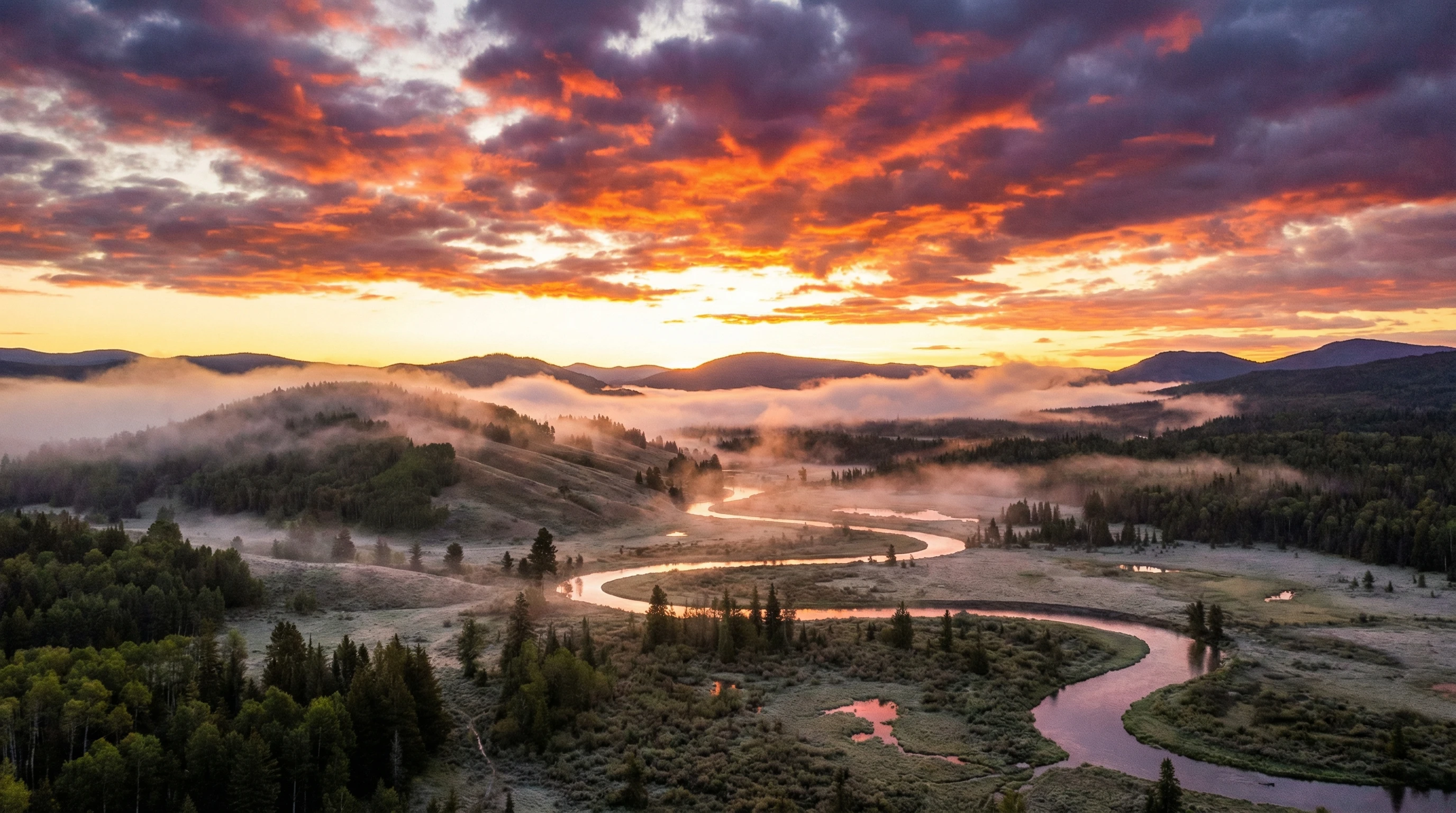
What Makes Landscape Photography Stand Out?
Landscape photography focuses on capturing the scenic beauty of the outdoors—mountains, lakes, forests, coastlines, and everything in between. The aim isn’t just to record what you saw, but to bring out mood, atmosphere, and the story of the place. For me, landscape photography feels like a mix of adventure and quiet observation, with each shot teaching something new about light, weather, or composition.
Getting the basics down is super useful because the mistakes I made early on, such as shooting in harsh midday light or forgetting to stabilize my camera, were completely avoidable with a few core tips. Whether you’re using a DSLR, mirrorless, or even a smartphone, these foundation skills help you see steady improvements as you go. And there’s nothing quite like framing your first stunning shot and realizing you made it happen by tweaking simple techniques.
Core Equipment for New Landscape Photographers
Starting with the right gear can really set you up for a better experience. You don’t need the fanciest camera to start, but a few pieces of equipment will smooth the way and help your results stand out.
- Camera: Any interchangeable lens camera or a good compact works. Entry level DSLRs and mirrorless cameras from Canon, Nikon, or Sony are great for learning. Some smartphones are packed with enough features for beginners to learn the ropes without feeling left out.
- Lens: A wideangle zoom lens (like a 16-35mm or 18-55mm) makes it simple to fit sweeping vistas into the frame.
- Tripod: Keeping your camera steady, especially in low light, makes a difference. Even a lightweight travel tripod is a game changer.
- Filters: Circular polarizers reduce glare off water and turn up the sky’s colors. Neutral density (ND) filters let you shoot long exposures in bright light and get nextlevel cool misty waterfall shots.
As you get to know your gear, you’ll track down which accessories work best for your style. It’s not about buying everything at once; it’s better to see what you actually use from day to day and add on naturally as your confidence grows.
Key Fundamentals Every Beginner Should Know
There are a few landscape photography basics worth putting into practice right away. I want to break these down, since each one is a huge step up compared to just guessing as you go:
- Light: Early morning and late afternoon, called “golden hour,” give soft, warm tones and long shadows. Midday sun is usually harsh, so use cloud cover to soften things up if midday is your only option.
- Composition: It’s about how you arrange things in your frame. The rule of thirds, leading lines, and placing something interesting in the foreground all work to make photos feel balanced and pull the viewer in.
- Exposure: Understanding aperture, shutter speed, and ISO is key. For landscapes, I mostly stick with a narrower aperture (f/8 or f/11) for sharper focus throughout, and I keep ISO low for clean, noise-free images.
- Focus: Focusing about a third into your scene keeps everything from foreground to background sharp, especially with a wideangle lens. It’s a simple trick to get things looking crisp front to back.
Mixing these fundamentals together becomes second nature. Each time I’m lining up a shot, I run this list in my head. Give it a try—once you nail this, it’s easier to spot what’s missing in any photo and tweak as you go.
Step-by-Step Beginner’s Workflow
Getting started might seem intimidating, but if you break it down, the process turns fun and manageable. Here’s the workflow that keeps me on track and builds my confidence every outing:
- Scout Your Location: Use maps, social media, and apps like PhotoPills to check sunrise and sunset times. Do a little research to spot angles and plan for the conditions you want.
- Set Up Early: Get to your location at least 30 minutes ahead of the best light. This gives time to set up your gear, look for cool compositions, and relax into the space before pressing the shutter.
- Dial In Your Settings: Start with aperture priority (f/8–f/11), ISO at 100 or 200, and let the camera handle shutter speed. When you use a tripod and want even more control, try manual mode as you get comfortable.
- Use a Tripod and SelfTimer: Even small shakes mess with clarity. I always use a remote release or my camera’s timer, so I don’t bump the camera during exposure.
- Review and Adjust: Check your images. Zoom in on your screen to check sharpness and try out new angles or reframe elements for more drama or balance.
Repetition helps you pick out what works and fix what doesn’t before it becomes a habit. Soon you won’t even think twice before running through this checklist.
Common Hurdles and How to Work Through Them
Everyone makes mistakes at first, but each one is a new lesson. Some hiccups are more common, and I wish someone had told me these sooner:
- Blown Out Skies: Overexposed skies lose details quickly. I usually meter for the sky’s bright areas and use ND graduated filters or pull back highlights when editing later.
- Flat Compositions: Shots can feel empty with just a distant backdrop. Adding a foreground object—a rock, some grass, or wildflowers—gives the image depth and context.
- Camera Shake: Even with a tripod, wind or movement can sneak in. Weigh down your tripod or bring along a beanbag, and shoot a few extra frames just in case.
- Surprise Weather: Weather switches up fast. Keep a lens cloth, a rain cover for your camera, and an extra layer handy if you’re out during odd hours.
Planning for these bumps ahead of time means you get more winning shots and less frustration in the field.
Working With Changing Light
Light and weather are always shifting. I try to stay flexible by shooting in all conditions—mist, clouds, sunlight, or even rain make for unique, moody images. Sometimes, your best work comes from simply getting out there and adapting on the fly rather than waiting for the “perfect” sky.
Clever Tricks to Make Your Photos Pop
Once the basics feel comfortable, a few tricks can help your photos stand out and add some character of their own. Here are a handful I use all the time:
- Bracket Exposures: Take several shots at different exposures so you blend them later. This way, details in bright skies and dark shadows don’t get lost.
- Shoot in RAW: RAW files hang onto more detail than JPEGs, making it simpler to tweak colors, save highlights, and clean up mistakes without losing image quality.
- Explore Perspectives: Move around, change your height, or try a new angle. Sometimes crouching low or moving just a few feet can turn a basic image into something eye catching.
- Use Long Exposures: ND filters help you slow the shutter, so water turns silky and clouds stretch across the sky. It’s one of my favorite ways to give a scene a nextlevel cool vibe.
- Edit Thoughtfully: Editing brings the feeling you wanted into focus. I like subtle tweaks—boosting color a bit or adding contrast—without making the result look too processed.
Best Setups for Beginners (And Real-World Examples)
For beginners, a lightweight, flexible kit goes a long way. Here’s what often comes along with me on day hikes or simple excursions:
- Entry level DSLR or mirrorless camera
- Wideangle zoom lens (such as 18-55mm or 16-35mm)
- Compact, sturdy tripod
- Circular polarizer filter
- Weather resistant backpack
On a weekend trip to the mountains, this setup let me capture waterfalls, drifting mist, and layered hills with ease and without extra baggage. Some of my favorite images came from simply exploring local parks and reacting to the light and weather rather than overplanning. It’s about being prepared but also open to happy surprises along the way.
FAQs: Getting Started in Landscape Photography
These are questions I see most often from those just jumping into landscape photography for the first time:
Question: Do I need the most expensive camera to start?
Answer: Not at all. Starter DSLRs, mirrorless, or even some smartphones work great for learning and exploring. Once you’re comfortable, you might decide if a gear upgrade fits your style down the line.
Question: What’s the trick for sharp images?
Answer: Use a tripod, keep ISO low, and make sure you double check focus by zooming in on your live view or screen. Little things like wind can still mess things up, so patience helps.
Question: How do I find good locations?
Answer: Google Maps, Instagram, and browsing other photographers’ portfolios open up lots of fresh spots. Exploring your own local parks or wild areas can also stumble upon hidden gems to practice on.
Question: What’s better, sunrise or sunset?
Answer: Both times are special, but I lean toward sunrise. You usually find fewer crowds, beautiful soft light, and the chance for mist or interesting clouds that fade later in the day.
Final Thoughts
Landscape photography offers something for every mood—quiet mornings, dramatic storms, and the fun of finding new scenes around every bend. The start is all about picking up basic skills, practicing as often as you can, and experimenting with both gear and creativity. Over time, it all adds up, and progress comes naturally. Pack your backpack, charge your camera, and head outdoors; there’s a whole world out there waiting for your take on it!