Watching a flower bloom in real time is already pretty magical, but capturing that process using time lapse macro photography really lets you appreciate all the tiny details that happen too fast for the naked eye. If you’re curious about this kind of photography, check out these tips and tricks that’ll help you grow from a beginner into a flower-blooming time lapse pro.
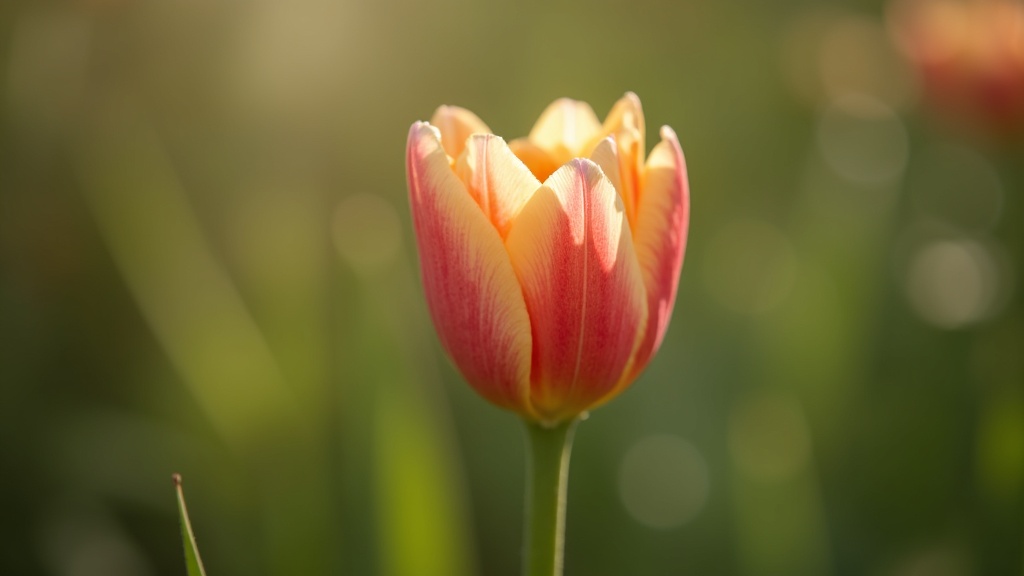
Why Time Lapse Macro Flower Blooming Is Worth the Effort
Setting up a macro time lapse of a flower opening can feel like a lot of work, but it pays off with eye-catching results. Seeing petals slowly unfurl and pollen come into focus adds a fresh perspective to an everyday occurrence. Macro lenses let you get into the smallest details, like the delicate textures on petals, subtle color shifts, and how a stamen stretches to life.
This style of photography has become more accessible with improvements in camera technology. Many cameras (and even some phones) now support advanced interval shooting, which means you don’t need a pro-level rig to try these out. It’s a fun way to develop patience, hone your technical skills, and push your creative boundaries.
On top of that, flower time lapse makes great content for social media, presentations, or even wall art. These visuals are popular in science education, art exhibits, and advertising, so learning this skill opens up additional opportunities if you want to check out professional avenues.
Starting Out: Basic Gear for Macro Time Lapse
You don’t need to break the bank to try out macro time lapse. Here’s what I recommend for anyone getting started:
- Camera: Any camera with manual settings and interval shooting is fine. Mirrorless or DSLR cameras work really well. If you only have a smartphone, some camera apps support interval shooting, so that’s perfectly workable too.
- Macro Lens: A lens with a close focusing distance is a real game changer for bringing out the center of the flower or other small details.
- Tripod: A solid, stable tripod is a must. Even tiny movements can ruin a time lapse, especially with extreme closeups.
- Intervalometer: Some cameras have this built-in. If not, an external intervalometer lets your camera take photos at set intervals (for example, every 30 seconds).
- Lighting: Natural light looks beautiful, but it’s not always reliable for a multi hour shoot. If possible, use continuous LED lighting or softboxes to create even, adjustable lighting.
- Extra Batteries and Storage: Time lapses can take hours, so make sure you have plenty of battery and memory card space.
Optional but super useful: lens cleaning supplies (pollen dust can be tough), clamps or arms for securing flowers, and a dark backdrop to make the bloom pop.
Key Macro Time Lapse Terms Explained
If you’re new to macro and time lapse, a few terms will crop up often. Here’s what they mean in plain language:
- Interval: How often your camera takes a photo (such as one shot every minute)
- Focusing Distance: How close you can get your lens to your subject and still keep it sharp
- Depth of Field: The area in the image that’s in sharp focus. Macro shots often have a really shallow area in focus, so careful focusing is key
- Exposure: The amount of light that hits your camera sensor. Balance this to avoid overly bright or dark blooms
Understanding these helps you plan and troubleshoot, instead of getting frustrated halfway through a shoot.
A Step-by-Step Guide to Shooting a Blooming Flower Time Lapse
Here’s a straightforward workflow to help you capture a flower blooming up close:
- Pick Your Flower: Choose a flower that blooms in a few hours instead of days (morning glories, lilies, and tulips are easy choices).
- Study Its Blooming Behavior: Watch a test flower ahead of time to get a sense of when and how quickly it opens. This makes timing your shoot way easier.
- Set Up the Scene: Use a tripod so you’re locked in on your chosen angle. Make sure your background is uncluttered and compliments your subject.
- Dial in Focus and Composition: Go with manual focus to avoid refocusing between shots. Take a couple test images to confirm sharpness and set up your composition.
- Plan the Light: Natural daylight near a window works, but it’ll change with time. For consistency, add soft, continuous lighting if possible. Avoid direct sunlight, which can add strong shadows or bright spots.
- Set Camera for Time Lapse: Pick an interval that fits the bloom’s speed (every 30 seconds to 2 minutes). Set your exposure in manual mode so your camera won’t adjust the brightness between shots.
- Start the Time Lapse: Double check the details, make sure your batteries and cards will last several hours, and start shooting. Try not to touch or bump the camera during this process.
- Review and Edit: Import your images and use software like Lightroom for tweaks. Stitch the sequence into a video in your favorite editor, which most can do effortlessly.
It takes some practice, so don’t be discouraged if your first few attempts aren’t perfect. Each test run teaches you something new—keep experimenting for your best results.
Common Challenges and How to Tackle Them
Macro time lapse is a fantastic hobby, but it tests both patience and your ability to troubleshoot. Here’s my take on common issues and how to deal with them:
- Camera Shake: Even minor movement ruins the sequence. Use a remote shutter, intervalometer, or your camera’s timer, and keep hands off during the shoot.
- Focus Drift: Autofocus might switch or “hunt,” so lock in focus manually. Some people tape the focus ring down to prevent movement.
- Lighting Changes: If you’re using sunlight, it’ll change during the day. Use blackout curtains and rely on artificial lighting where possible.
- Petal Movement: Even gentle breezes mess up a closeup. Close doors and windows or use supports without pinching petals.
- Battery and Storage Issues: These sessions eat up power and memory. Charge in advance and use roomy memory cards.
Mostly, preparation and a bit of trial and error will get you through. And even if something goes sideways, there’s always something to learn for your next try.
Pro Tips for Next-Level Results
If you’re comfortable with the basics, here are some tricks that really take your macro time lapses up a notch:
Try Focus Stacking: Because macro photos have such shallow depth, take multiple shots with slightly shifted focus. Then, blend them together in editing for a sharp looking bloom.
Control Your Surroundings: Use a light tent or improvise with white fabric for even lighting. Cardboard and bedsheets work great for a budget-friendly option.
Use a Turntable: Place your flower on a mini turntable and rotate gently between sequences for a fun rotating effect in the final video.
Fine Tune Your Interval: A shorter interval (like every 20-30 seconds) makes the video ultra smooth, but takes more storage. Find the sweet spot that matches your flower and your hardware.
Edit Like a Pro: Apps such as LR Timelapse and Adobe Premiere allow for correcting any exposure flicker, adjusting playback speed, or slow digital zooms for dramatic effect.
The more you experiment, the more creative options you’ll stumble upon. Don’t be afraid to break some rules here and there—it’s often where the coolest ideas pop up.
Gear and Setup Ideas for Flower Macro Time Lapse
The right equipment keeps life simple and frustration low. Here’s a handy checklist for newcomers to macro time lapse:
- Mirrorless or DSLR camera (with manual mode and time lapse)
- Macrolens (50mm to 105mm for extra-tight shots, though even affordable extension tubes work)
- Heavyduty tripod (light tripods wobble and are tough to work with!)
- Remote or intervalometer
- Continuous LED panel lighting (adjustable brightness is ideal)
- Backdrop (black velvet or foam board helps you get distractionfree backgrounds)
- Lens cleaning kit (a must for pollenheavy subjects)
Before you start with flowers, run test sequences with household objects to get the hang of your gear and routine. It’s a low-pressure way to practice and figure out what works best for you.
Frequently Asked Questions About Time Lapse Flower Macro Photography
Here are some of the most common questions I get from beginners in flower macro time lapse:
How do I pick the best flower for a time lapse?
Choose flowers that bloom within a day for the easiest start. Crocuses, tulips, and amaryllis are all great. Research the blooming time so you won’t end up with a shoot that lasts days.
Can I shoot outdoors?
You can, but outdoor shoots come with more variables—wind and changing light. If you’re set on shooting outside, use windbreaks and diffusers, or try a greenhouse. Indoors is usually simpler for control.
How many photos do I need for a smooth time lapse?
A typical time lapse plays back at 24 to 30 frames per second. If you shoot every minute for four hours, you’ll end up with about 240 photos, enough for an attractive 8-10 second video that’s perfect for most platforms.
What software can I use to assemble the time lapse?
Pretty much any desktop editor lets you pull together image sequences—Adobe Premiere Pro, DaVinci Resolve, or even iMovie for basic editing. For more advanced tweaks, check out LR Timelapse or Dragonframe, which are made for this task.
With some simple gear, a dash of patience, and an eye for detail, you’ll get eye-catching flower time lapse sequences that amaze your friends and family. Keep experimenting, stay curious, and let your creativity bloom. Good luck on your flower macro adventures!