Bokeh portraiture with glass prisms can add a mind-bending, dreamy energy to your portraits that’s impossible to get with just camera settings alone. Using a glass prism lets you bend light in wild ways, embedding your images with soft, swirling colors, split reflections, and abstract shapes. If you’re curious about how to get started or want to take your portraits beyond the usual blurred backgrounds, I’m breaking down what you’ll need, how to use a prism, and some tips for that trippy, surreal effect.
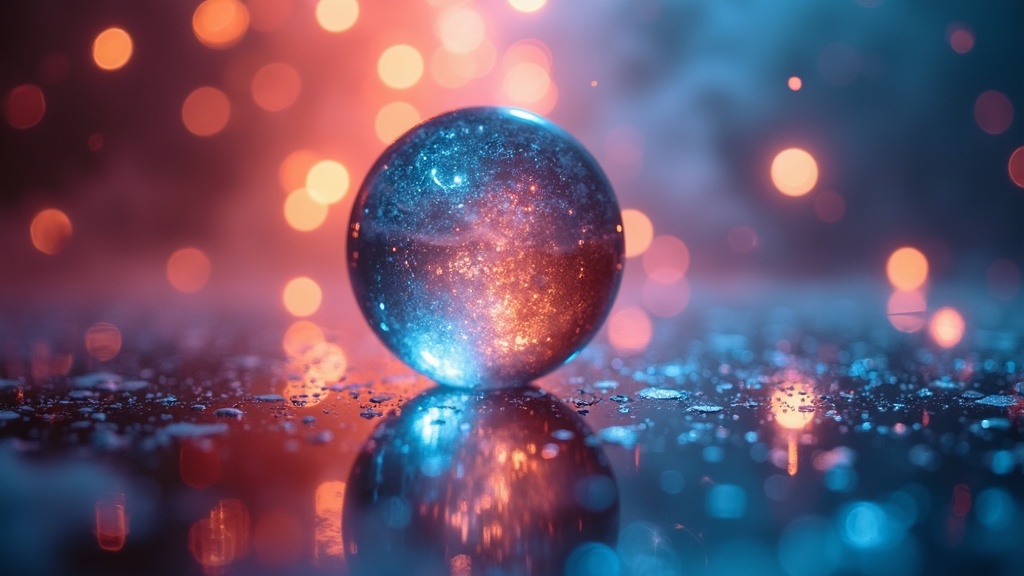
Getting to Know Surreal Bokeh Portraiture With Prisms
Traditional portrait photography usually puts the focus on the subject, with a subtle background blur, or bokeh, helping them stand out. Tossing a glass prism into the mix changes everything and now, your shots can have wild bursts of color, scattered shapes, and ghostly reflections all around your subject. The result feels almost otherworldly, with a rich, layered look that seems pulled from a dream.
Photography pros and casual shooters alike have started picking up prisms because they’re cheap, portable, and super fun to play with. Bokeh itself is just the pretty blur from an out-of-focus background, but with prism effects thrown in, you get double the magic: the creamy, smooth blur plus those unique reflections and rainbow flares. You could spend hours experimenting, and each time you try a different setup or background, you’ll stumble upon something new that could become your signature style.
Essentials for Prism Bokeh Portraiture
Before you start snapping away, having the right gear makes things a lot easier. You don’t need to break the bank either, as most of what you need can fit into your pocket or a small camera pouch. Here’s a quick list to get you started:
- Lenses With Wide Apertures: A lens that opens up to f/2.8 or wider works great. This creates that creamy bokeh blur that lets the light and color play in fun ways.
- Glass Prism: Any triangular glass prism you’d find in a science kit works, or you can try a prism wand or cube for different effects.
- Camera With Manual Settings: Shooting manually gives you total control over focus, exposure, and aperture, all really important for creating bokeh and playing with prism light.
- Optional: Lens Filters: Colored, diffusion, or starburst filters can layer with your prism for cool extra effects.
You’ll sometimes see folks using compact cameras or even phones. Honestly, if you can control focus and exposure, you’re good to go. But a DSLR or mirrorless camera with a fast lens is going to give you the most flexibility. The beauty is that everyone can give this a shot, whether you’re carrying a powerhouse camera or just your smartphone.
How to Use a Glass Prism for Amazing Bokeh Portraits
Shooting with a prism is a hands-on, experimental process, and there’s no single right way to do it. The key is to hold the prism close to your lens, usually just an inch or so away, and adjust the angle. Light, reflections, and whatever’s in front or behind your subject get bent and refracted into wild shapes, streaks, and overlays that show up right in-camera, not after editing. Here are the steps to follow:
- Find a Nice Light Source: Strong natural light, twinkle lights, or street lamps all work great. Light is what the prism bends, so the more, the better.
- Hold the Prism Up to the Lens: Use your free hand and try out various spots—top, bottom, side. Each creates a different mood, often layering extra ‘ghost’ images or rainbow colors into your portrait.
- Set Wide Aperture: Open your lens as wide as possible (small f-number). This helps the bokeh and blended colors stand out while keeping your subject sharp.
- Manual Focus: Autofocus can get confused by the prism’s reflections, so using manual helps lock onto your subject’s eyes or face.
- Experiment: Twist or turn the prism, try different distances, or even tap the prism lightly to change how it catches the light.
This is a process packed with trial and error, but that’s half the fun. No two shots will look alike, making each portrait feel original, artistic, and uniquely yours. The freedom to play around with angles and light sources is what keeps this style so engaging.
Tips for Standout Surreal Portraits With Prisms
Here’s where you can get creative, push limits, and really start defining your style.
- Choose Colorful Backgrounds: Bold backgrounds, like neon signs or colored lights, get picked up by the prism and spun into extra dreamy bokeh that can transform any location.
- Play With Foreground: You’re not limited to the background. Point the prism at a foreground light source, or use it to bring reflections of patterns or colors in front of your subject for layered effects.
- Stack With Other Effects: Combine a prism with a misted lens filter or string lights wrapped around your setup for wild, layered visuals that stand out.
- Pick the Best Time of Day: Golden hour, when the sun’s low and warm, is basically nature’s softbox. The light bounces and refracts perfectly through the prism, giving you brilliant rainbows and softer shadows. Experimenting at different times will lead you to see how the mood changes with the sun.
- Watch for Smudges: Fingerprints or dust on your prism show up in your photo, so keeping it clean is surprisingly important to maintain image clarity.
Common Challenges and How to Get Past Them
Shooting with a prism isn’t always predictable. Sometimes you hit problems, but none of them are dealbreakers, especially when you know a few tricks:
- Focus Issues: Flares and reflections sometimes make autofocus go haywire. Switching to manual is a quick fix that puts you back in control.
- Reflections Overpower the Subject: Sometimes the effect is so strong your subject gets lost. Just rotate the prism a bit or move it further from the lens for a lighter, more balanced touch.
- Lens Flares: While some flares look cool, others might cover faces or ruin the shot. Control the angle or use your free hand as a shade to control the intensity.
- Over-Processed Look: The effect can quickly feel overdone. Subtlety often gives a more polished finish. Sometimes less is more, and pulling back a little lets your subject shine through the creative touches.
Glass Prism Choices: What Works Best?
I usually reach for a classic triangular (60-degree) glass prism, but cubes and wandstyle prisms work too. Triangular ones spread light in a wide rainbow, cubes make for geometric reflections, and wands are easy to handle for subtle, streaked edges. Each shape bends light a little differently, so it’s worth trying a few to see what you like. If you want really even, smooth color gradients, look for higher quality glass prisms—plastic ones work but can create muddy colors. Upgrading your prism can truly pump up the effect and give you more options for creativity.
Camera Settings for Creative Prism Portraits
- Aperture: f/1.8 to f/2.8 is the sweet spot for creamy bokeh and sharp faces.
- Shutter Speed: Since you might shoot outside at sunset or indoors with string lights, adjust fast enough to avoid handshake blur, but slow enough for the shot. Try 1/125s or faster to stay safe.
- ISO: Keep it low for less grain, but don’t sweat raising it if you’re shooting in dim environments. Prism bokeh is pretty forgiving when it comes to noise, so focus on getting the light and look you want.
Shooting in RAW gives you more editing headroom. Even though prism effects happen in-camera, you can tweak colors and contrast later if you want a more intense or softer style. RAW files are especially useful when you’re trying to rescue details lost to heavy light flares or bring up the vibrance of your colors.
Real-World Ideas: Where Prism Bokeh Portraits Shine
- Street Photography at Night: All those neon signs, headlights, and city lights create swirling bokeh or double reflections with a prism, giving your street portraits a nextlevel cool twist.
- Outdoor Portraits: Catch the golden hour light, or use window reflections for surprising overlays. Being outside allows you to hunt for different light sources and backgrounds that make your shots feel fresh every time.
- Holiday or Party Scenes: Fairy lights, candles, or sparkly decorations add even more color and depth to bokeh created by the prism. Special events become magical backdrops for creative portraits that friends and family will love.
I’ve found that clients love these photos for profile pictures, album covers, or gifts, thanks to their vivid, artistic vibe. Even simple portraits get a total upgrade with a bit of glass, some patience, and playful light. Chasing that perfect swirl of color or just the right double exposure keeps photo sessions lively and rewarding.
FAQs About Surreal Bokeh Portraiture With Prisms
What should I look for in a prism?
Start with a basic triangular glass prism made for light experiments. Aim for one that’s about 6 inches long. Glass works better than plastic if you want sharper, cleaner colors. Try visiting science supply stores or online marketplaces to track down a high quality one that suits your style.
Can I use my phone and still get good results?
Definitely. Some phone cases with wide lenses work, and even handheld, you can get sweet results. Use an app that lets you control focus and exposure manually for best results. Don’t let gear limits stop you—creativity makes a bigger difference than equipment.
Do I need editing skills?
You don’t have to, but light editing can help tweak colors or fix shadows. The magic really happens in-camera, though, so editing is just icing on the cake if you want to add some finishing touches.
Is a prism fragile?
Most glass prisms can stand up to casual use, but try to wrap it in a soft cloth or case when not in use to prevent scratches and chips. Simple care means your prism stays clear and ready for action for years.
Why Prism Bokeh Portraiture Is Worth Trying
Prism bokeh lets you shake up traditional portraits in a hands-on, affordable way. You’ll get gentle swirls of color, layered reflections, and a much more ‘alive’ feeling than what Photoshop alone can do. It’s easy to experiment and tailor the effect to your vibe—subtle dreaminess, bold rainbow shards, or trippy double exposures. This approach keeps me inspired and constantly looking for new ways to paint with light.
Trying out a glass prism and chasing those surreal bokeh effects can totally change how you see portraiture. If you love portraits that tell a bigger story, have a playful quality, or just look eye catching, this technique is absolutely worth playing with. No two sessions are ever the same and you’ll constantly stumble upon creative combos that set your images apart. Wrapping up, prism bokeh portraiture helps your creativity run wild and transforms ordinary moments into unforgettable visual adventures.