Street photography is a super fun way to freeze real life moments right as they happen. Whether you’re strolling around the city with your camera or just snapping shots on your walk home, this style of photography is a cool mix of timing, storytelling, and everyday surprises. When I started out, I noticed it was more about observation and patience than fancy gear. Here’s what I think every beginner should know about street photography to help kick things off smoothly.
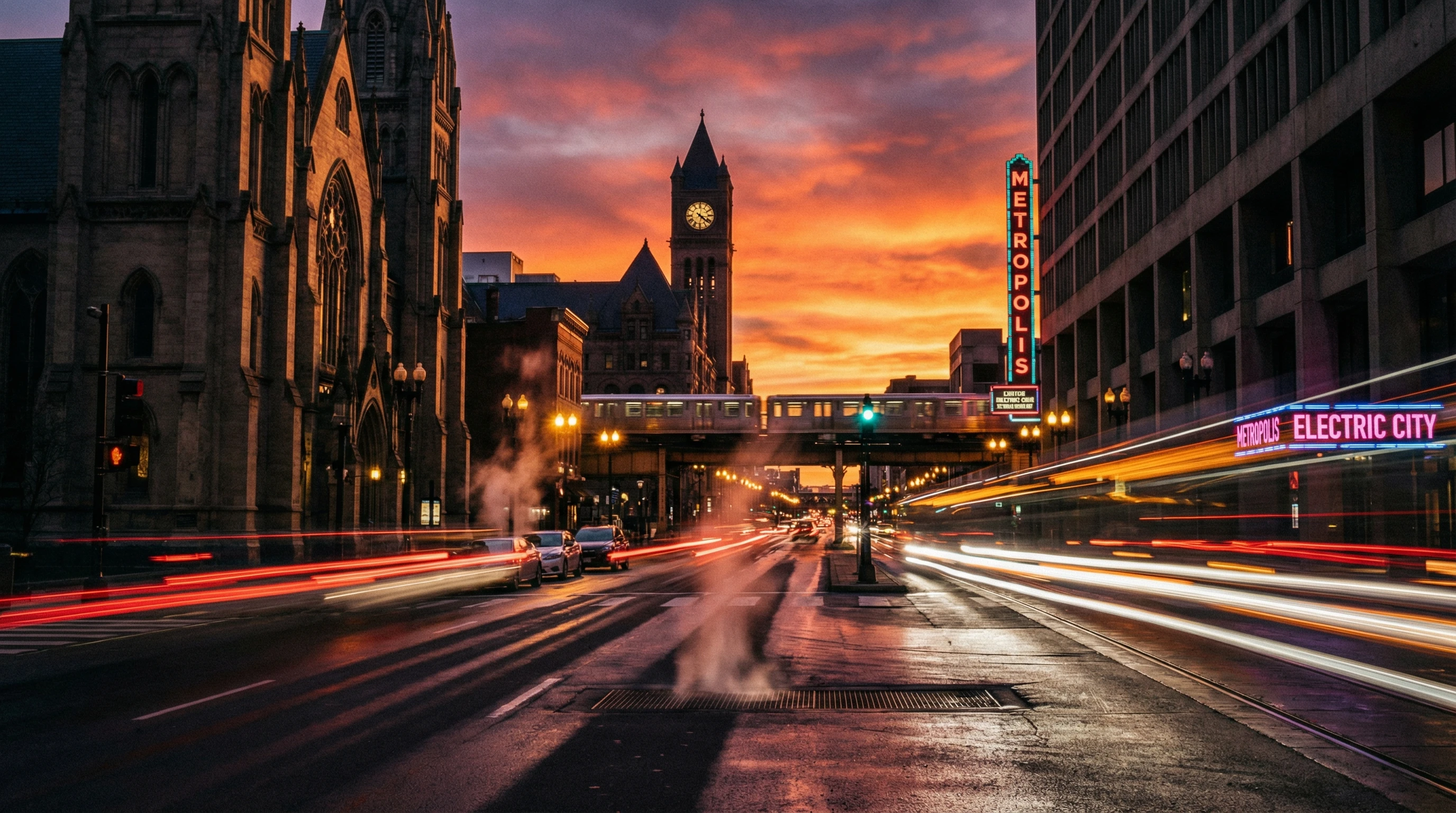
What Makes Street Photography Special?
One thing I really like about street photography is its unpredictability. You can go out with a plan, but the best shots often come from just being ready and open to what’s around you. The city constantly changes, with different light, weather, and moods each day. This makes it perfect for anyone who enjoys spontaneous moments and wants to tell stories through images rather than words.
Street photography isn’t just about taking pictures of people. It covers urban landscapes, shadow patterns, signage, or even how objects interact with their surroundings. The main thing is that your photo captures a sense of place, time, or emotion. Sometimes, I stumble upon a cool interaction between light and architecture that tells a story all on its own. Other days, it’s the color of a person’s jacket against a mural that really pops. That variety is a big part of why I keep going out with my camera.
Getting Started: Gear Basics For New Street Photographers
A good thing about street photography is you really don’t need lots of pricey equipment to get started. I find that a simple, reliable camera, even a smartphone, does the job if you know how to look for moments. If you’re curious about what kind of gear works well, here are my go-tos:
- Camera Body: I usually recommend something small and light, like a mirrorless or a compact digital camera. These types don’t draw much attention, which helps when you’re shooting on busy streets.
- Prime Lens: A lens in the 23–35mm range (for crop sensors) or 35–50mm (full-frame) gives you a natural field of view. I like primes because they’re smaller and sharper than zooms, and they encourage you to move your feet instead of zooming in.
- Extra Batteries and Memory Cards: City walks can eat up your power and storage, so having spares keeps you shooting longer.
- Comfortable Bag: I use a small crossbody bag to stash my essentials and keep my camera handy.
Your phone camera is totally fair game, too. Many well known street photographers use smartphones, and you’re less likely to attract attention. In fact, a casual phone snap sometimes gets you closer to real moments than a big camera could. If you’re only using your phone, try playing with manual apps that allow control over exposure and focus—that way you can fine tune your shots just like with a dedicated camera.
How To Find the Best Spots For Street Photography
Street photography is really about exploration. I like to walk, bike, or even sit in one spot to let scenes develop around me. Some of the best areas to shoot are:
- Bustling urban streets: These spots are usually full of cool interactions, interesting characters, and that everyday city energy.
- Public transit areas: Bus stops, train platforms, and subway stations can offer dramatic lighting and candid moments. Just be respectful of people’s space.
- Markets and fairs: Outdoor markets or street fairs are loaded with color, motion, and lively crowds.
- Alleyways and side streets: I’ve found that lesser traveled paths often offer great light and textures, with fewer distractions from the main action.
- Early mornings or late afternoons: The light is softer, shadows are longer, and scenes just look more dramatic at these times.
If you’re stuck for ideas, pick a landmark or coffee shop as a starting point. Walk with no set agenda. Sometimes the best images come from wandering aimlessly and getting a feel for the city’s rhythm. Even on days when nothing “special” happens, there’s always something interesting to capture—the geometry of a street sign against a sunrise or a cyclist weaving through downtown.
Street Photography Basics: Tips For Shooting in Public Spaces
Taking photos out in public can feel a tiny bit nerve wracking at first. I used to worry about reactions, but I picked up some simple habits that help build confidence:
- Blend in: I usually wear neutral clothes and keep my camera ready, so I don’t draw too much attention.
- Be patient: Sometimes I’ll find a spot with nice light or an interesting background and just wait for something to happen.
- Respect your subjects: If someone seems uncomfortable, I avoid taking their photo or use wider shots where they aren’t very recognizable. Trust and respect go a long way.
- Focus on light and shadow: Cool contrasts between light and shadow create powerful, moody shots, even when you’re not close to your subjects.
- Keep your camera settings simple: I usually set my camera to aperture priority mode (around f/8 for deeper focus) and use auto ISO. This lets me focus on timing, not fumbling with controls.
After doing this for a while, I realized that the real “skill” is simply being attentive and reacting quickly. Keeping an eye out for those fleeting expressions or gestures transforms a standard city photo into something memorable. Sometimes I even play a little game: try to spot three unique things on every walk, whether it’s a quirky outfit or a fun moment between friends. It helps sharpen your eye over time.
Common Challenges (and How I Handle Them)
Every street photographer bumps into a few common issues, especially when starting out. Here’s how I deal with the trickier parts:
- Shooting in Low Light: In the evenings or indoors, I boost my ISO a bit but keep an eye out for noise. Sometimes, I embrace a little grain for mood. Streetlights, neon, or shop windows offer cool natural lighting, too.
- Nervousness or Shyness: At first, I’d hesitate to shoot strangers. Over time, I started practicing with less crowded scenes or by photographing my surroundings instead of people. As my confidence grew, I got bolder with my framing.
- Legal and Ethical Stuff: Laws vary depending on where you live. In many places, it’s totally legal to take photos in public spaces, but I always respect people’s requests not to be photographed. A friendly smile or quick “thank you” helps if someone does notice.
- Busy Backgrounds: The city is cluttered. I look for simple backgrounds or use shallow depth of field to help my subject pop.
Most of these challenges feel less stressful with practice and patience. It helps to remind yourself that every pro started out feeling awkward, too. The key is to keep shooting often, experiment, and not get discouraged by awkward moments—they fade with time.
Quick Tips To Level Up Your Street Photography
When things start to feel easy, here are a few things to try for more dynamic shots:
Work on your timing: Hit the shutter just as something interesting happens. It could be a bird flying by, a train door sliding open, or sunlight hitting a building in just the right spot. Anticipating the moment is half the fun.
Get close: Filling the frame with your subject can make images more intense and personal. I find this a little scary sometimes but super rewarding for storytelling.
Shoot from the hip: Holding the camera at your waist and snapping without looking keeps your presence low key and opens up new angles. Sometimes, the result is a fun, fresh composition you wouldn’t have planned.
Try reflections: Puddles, windows, and mirrors make for creative perspectives you might not expect. I like to use rainy days as an excuse to look for reflections all over the city.
Edit your photos: Basic editing, like cropping, brightening, and adjusting contrast, can really make your images pop. I do this on my phone or computer using simple apps like Snapseed or Lightroom. Don’t be afraid to experiment with black-and-white conversion for added mood.
Essential Street Photography Equipment And Apps
Aside from the main gear, a couple of extras make life easier:
- A lens cleaning cloth to keep your glass clear.
- Weather resistant camera covering (even a small plastic bag) for unexpected rain.
- Photo sharing apps like Instagram or Flickr. They’re great for inspiration, learning, and sharing your progress with a bigger crowd.
- Street photography forums and groups, such as the Flickr Streets group, where you can get feedback from other people who share your interest.
You can do a lot with a little, so focus more on enjoying the process than owning the fanciest equipment. Sometimes, the best way to pump up your photography is simply to review your own old photos and spot what could be improved next time, rather than buying all new gear.
Frequently Asked Questions
What’s the definition of street photography?
Street photography is about candidly capturing everyday moments in public places. It doesn’t have to involve people. Sometimes the “story” can be an object, light, or mood.
Do I need permission to take photos of people on the street?
Laws depend on where you live, but mostly you can shoot in public spaces. If someone objects or seems uncomfortable, I prefer to respect their feelings and move on.
What if I’m too shy to take photos of strangers?
Start with scenes that don’t focus on people, like urban details, signage, or street art. As you get bolder, try photographing at a distance and move closer as your confidence grows.
How can I improve my street photography skills?
I improved by studying the work of classic street photographers, practicing as often as I could, and joining online challenges. Feedback from other photographers helps, too. There are lots of great documentaries and books on the topic, and I always check out what’s trending for fresh ideas.
Final Thoughts and Encouragement
The coolest thing about street photography is that it keeps you curious and tuned in to the world around you. The more I shot, the more I realized it was less about technical perfection and more about telling a story or catching a fleeting mood. Don’t stress about getting it all right at first. Grab your camera, step out the door, and let each day surprise you. With practice and a little courage, you’ll start seeing those great moments everywhere. Even if your first photos feel so-so, remember that every shot teaches you something. Keep creating, keep exploring, and the streets will always offer you something new.