Black and white photography has a certain magic that pulls photographers and viewers alike right into the heart of an image. Stripping away color puts the focus on light, shadow, texture, and emotion. Over the years, I’ve found that learning about different styles of black and white photography really helps you figure out what you like and how you want to shoot.
Why Black and White Photography Still Draws Us In
Black and white photography isn’t just a throwback or a trend, even though digital cameras have made it easier than ever to experiment. The style comes with its own vibe; some photos use strong contrasts and deep blacks to evoke drama, while others use softer whites and grays for a dreamy, timeless feel. For many, it’s about seeing the world differently and highlighting things that might go unnoticed in color.
There’s also a practical side. Many iconic images from history are black and white because film and printing technology made it the standard for decades. But even today, I keep coming back to black and white for portraits, street shots, and landscapes when I want a mood or detail that color just doesn’t bring out.
Getting Started with Black and White Styles
If you want to get into black and white photography, it pays to know the main styles. Some styles work best in certain settings, so it helps to match your approach with your subject and tools. I’ll run through some common black and white styles and explain what makes each one interesting to shoot and look at.
- High Contrast: Shots with stark blacks and crisp whites, skipping the midtones.
- Low Contrast: Images that lean heavily into grays and softer shadows, creating a gentle, subtle mood.
- Minimalism: Photos that use empty space and simple shapes to guide your focus without distraction.
- Fine Art: Black and white images crafted for emotional impact or symbolic meaning, often highly stylized.
- Documentary/Street: Real-life moments captured in monochrome, letting you focus on story and emotion.
- Classic Portraiture: Portraits that showcase character, texture, and feeling, sometimes with film grain or strong shadow play.
Popular Styles of Black and White Photography
I want to go a bit deeper here and share what makes each style stand out, plus a few tips if you want to experiment with each approach.
High Contrast Black and White
High contrast shots look bold and dramatic. You’ll find crisp lines, deep blacks, bright highlights, and very little in-between. These photos are easy to spot because they can feel a bit graphic or abstract, almost as if they’re illustrations.
For me, city scenes and harsh sunlight work really well for this. When I want to make shadows pop or pull out strong architectural lines, cranking up the contrast is a go-to move. Shooting during midday when the sun is high, or post-processing with higher clarity and contrast sliders, is a solid starting point.
Low Contrast and Soft Tones
Low contrast black and white is all about subtlety. Instead of deep blacks and pure whites, you’ll see mostly grays with smooth transitions between light and shadow. This style often feels calm and gentle.
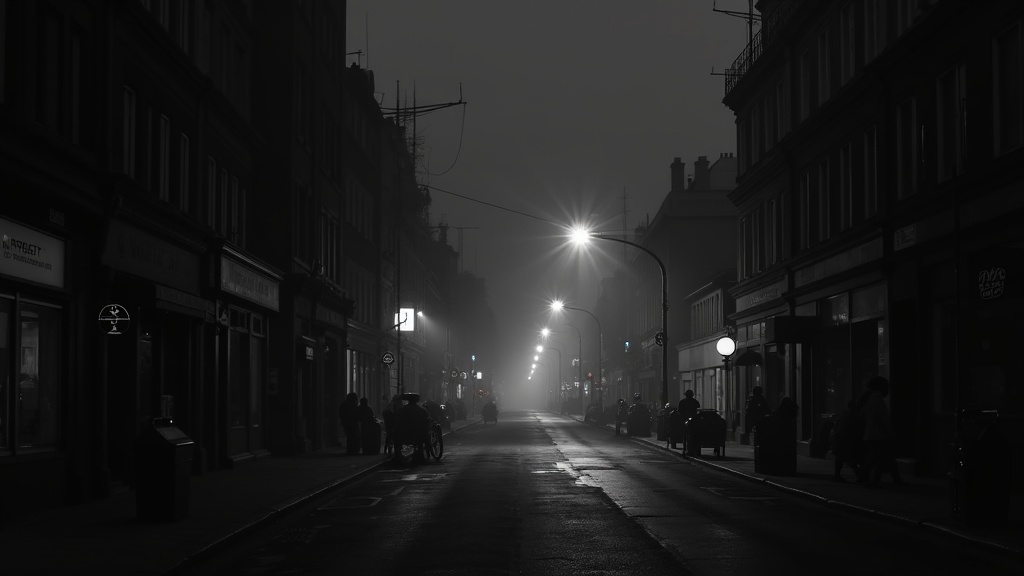
Foggy mornings, overcast days, or indoor portraits with diffused light are ideal for low contrast shots. I like using this style for emotional portraits or dreamy landscapes, especially when I want the mood to feel quiet and reflective. A bonus is how low contrast can add atmosphere and softness when the scene itself is already peaceful.
Minimalism in Black and White
Simplifying the scene, sometimes down to just one or two elements, takes skill and a strong eye for composition. Minimalist black and white photos often use lots of empty space to pull your eye toward a subject. The lack of color helps minimize distractions even more.
This style is really satisfying to play with if you like negative space. Beach scenes, lone trees in a snowy field, or simple geometric lines all work great. I usually look for strong shapes or patterns and keep everything else out of the frame. Try experimenting with different lens choices or camera angles to give your minimal subjects an even bigger impact.
Fine Art Monochrome
Fine art black and white is about creating something more than documentation; it’s about expressing a mood, idea, or emotion. Photographers often use unusual lighting, creative cropping, or surreal post-processing to push the image beyond reality.
I find this style fun when I want to get creative, maybe by experimenting with long exposures or shadow play. Adding texture or grain can turn a simple subject into something much deeper and more impactful. If you want to give your fine art images a personal stamp, try printing them on specialty papers or presenting them as part of a themed series.
Street and Documentary Photography
Some of the most famous street and documentary images are black and white. The lack of color keeps viewers focused on what’s happening, the expression, or the environment. It’s great for catching fleeting moments or for dramatic storytelling.
When I’m out with my camera in the city, I might switch to black and white mode to focus on timing, emotion, and composition. Strong contrast works well here, but sometimes softer gray tones show gritty reality in a gentler way. The storytelling potential is huge, especially when faces, architecture, and weather all come together in an unpredictable scene.
Classic Black and White Portraits
Portraits in black and white can come across as timeless and full of character. Things like wrinkles, freckles, or unique features stand out more, and the viewer isn’t distracted by colorful clothing or background.
I like shooting portraits near a big window or outside on a cloudy day, keeping the light soft. Adjusting post-processing for a bit of grain can give the shot a vintage feel or make a formal portrait seem a little more relaxed and authentic. For added depth, focus on genuine expressions or try tighter crops to fill the frame with meaningful details from your subject.
Things to Know Before You Start Shooting
Black and white photography sounds simple, but a few things are really important if you want your shots to stand out. Here’s what I wish I’d known earlier:
- Lighting: Good lighting brings out the shapes, textures, and contrasts you need. Even basic scenes will look interesting with strong light and shadow.
- Subject Selection: Not every scene works best in black and white. Scenes with lots of pattern, texture, or dramatic shadows are usually better.
- Histogram and Exposure: Check your histogram on the camera; aim for a balance between highlights and shadows. Blown highlights or muddy blacks can be hard to recover.
- Post-Processing: Editing is where black and white really comes to life. Contrast, curves, and digital filters can all help fine-tune your look. Programs like Adobe Lightroom or Silver Efex Pro are pretty handy for this.
Lighting
Light makes or breaks a black and white image. Early mornings, late afternoons, or shooting indoors near a single window produce long shadows and help give your images shape. Even artificial light, like lamps or neon, creates mood with sharp contrasts. Experimenting with backlighting or using reflectors can introduce new possibilities and make simple objects look next-level cool.
Choosing Your Subject
Since color isn’t going to save a boring subject, look for things that are naturally interesting: rough surfaces, old buildings, dramatic faces, and movement. Anything with a strong shape or pattern is fair game. Try seeking out scenes that you’d usually pass by, paying close attention to angles, lines, and how light falls across your subject. You may stumble upon new favorites by keeping an open mind.
Exposure and Editing
Getting your exposure set right helps keep your whites from blowing out and your blacks from turning into featureless blobs. I always recommend shooting in RAW format and making final decisions about brightness and contrast during editing. This gives you much more flexibility. Take the opportunity to try out advanced editing techniques like split toning or local adjustments, which can help you guide the viewer’s attention.
Pro Tips for Shooting and Editing in Black and White
Once you’re confident with the basics, trying out a few pro moves can take your black and white images to another level:
Use Filters: Physical colored filters (like red, orange, or yellow) or digital ones can change how objects are rendered in black and white. A red filter, for example, will make blue skies look almost black, adding punch to landscape shots.
Dodge and Burn: This classic editing technique lets you lighten or darken parts of your photo for more drama or focus; really handy for portraits or fine art.
Play with Film Grain: A bit of grain adds character, especially for documentary or timeless shots.
Mimic Classic Processes: Digital editing tools can simulate “old school” looks like darkroom printing, split toning, or even infrared black and white. I use these sparingly for creative effect. Also, don’t hesitate to try black and white printing, as holding a physical print in your hands can completely change your appreciation for your own work.
Common Questions About Black and White Photography
Some questions always pop up for beginners and even folks who’ve been shooting for a while, so here are answers to the most common ones:
What camera settings work best?
Generally, stick to lower ISO values to reduce noise, unless you’re going for a gritty look with more grain. A wide aperture is good for portraits, while landscapes or architecture benefit from higher fstops. Remember that different lenses offer their own quirks, so try using different focal lengths for unique results.
Should I shoot in color and convert later, or set my camera to black and white?
I prefer shooting in color RAW and converting later, since this gives you more control. Some cameras allow you to shoot in black and white mode but still save the color data.
How can I practice seeing in black and white?
Try using your camera’s black and white preview mode, or train your eye by looking for strong patterns and shadows when you’re out and about. You’ll start to notice which scenes feel right without color. Sometimes, squinting your eyes or using a phone app that simulates grayscale vision can help you spot moments worth capturing.
Cool Gear and Tools for Black and White Shooters
The camera itself doesn’t matter as much as how you use it, but here are some tools I’ve found super useful:
- Tripod: For slow shutter speeds, long exposures, or careful framing.
- Prime Lens: Fixed focal length lenses often come with wider apertures, which are great for portraits and detail shots.
- Editing Software: Lightroom, Capture One, and dedicated black and white plugins like Silver Efex Pro make a big difference when converting and tweaking images.
No matter your gear, seeing the world in black and white takes practice; a little trial and error is part of the fun! Don’t be afraid to explore new scenes, jump into community photo challenges, or revisit your old photos with fresh eyes. With time, you’ll spot eye-catching moments that are just begging to be stripped of color and shown off in their purest form. Wrapping up, black and white photography is a craft anyone can dig into—so grab your camera and start making something unique!