Portrait photography is a really fun way to capture people’s personalities, emotions, and unique style. For anyone just starting out, there are a lot of things to take in, from figuring out your camera to knowing simple tricks that make your portraits pop. I’ve pulled together this easy-to-follow guide for beginners, packed with practical tips and no-nonsense explanations to get you shooting beautiful portraits in no time.
Getting the Basics Down: What You Need To Know
Portrait photography isn’t just for seasoned pros with fancy lighting setups. These days, you can start with pretty much any camera, including your phone, and get great results if you know what to look for. A basic understanding of a few key ideas helps everything fall into place, from how to frame your subject to how to make them feel relaxed.
The portrait photography world has grown with the rise of accessible cameras, userfriendly editing apps, and tons of inspiration out there on social media. In fact, you’ll find millions of portraits uploaded daily, showing how this style remains one of the most popular photography genres. The cool thing is, portrait photography is just as much about creative feel as it is about technical skill.
Photography used to need loads of special gear, but now many of the essentials are easy to learn and affordable. Whether you dream of creative family portraits or want Instagramworthy shots, getting a handle on the basics is your first step.
Key Gear and Tools for Portrait Photography Beginners
You might wonder what kind of equipment you actually need to get started. The truth is, you don’t have to go all in right away. Having just a few reliable tools is enough to begin making strong portraits, and you can always upgrade as your confidence grows.
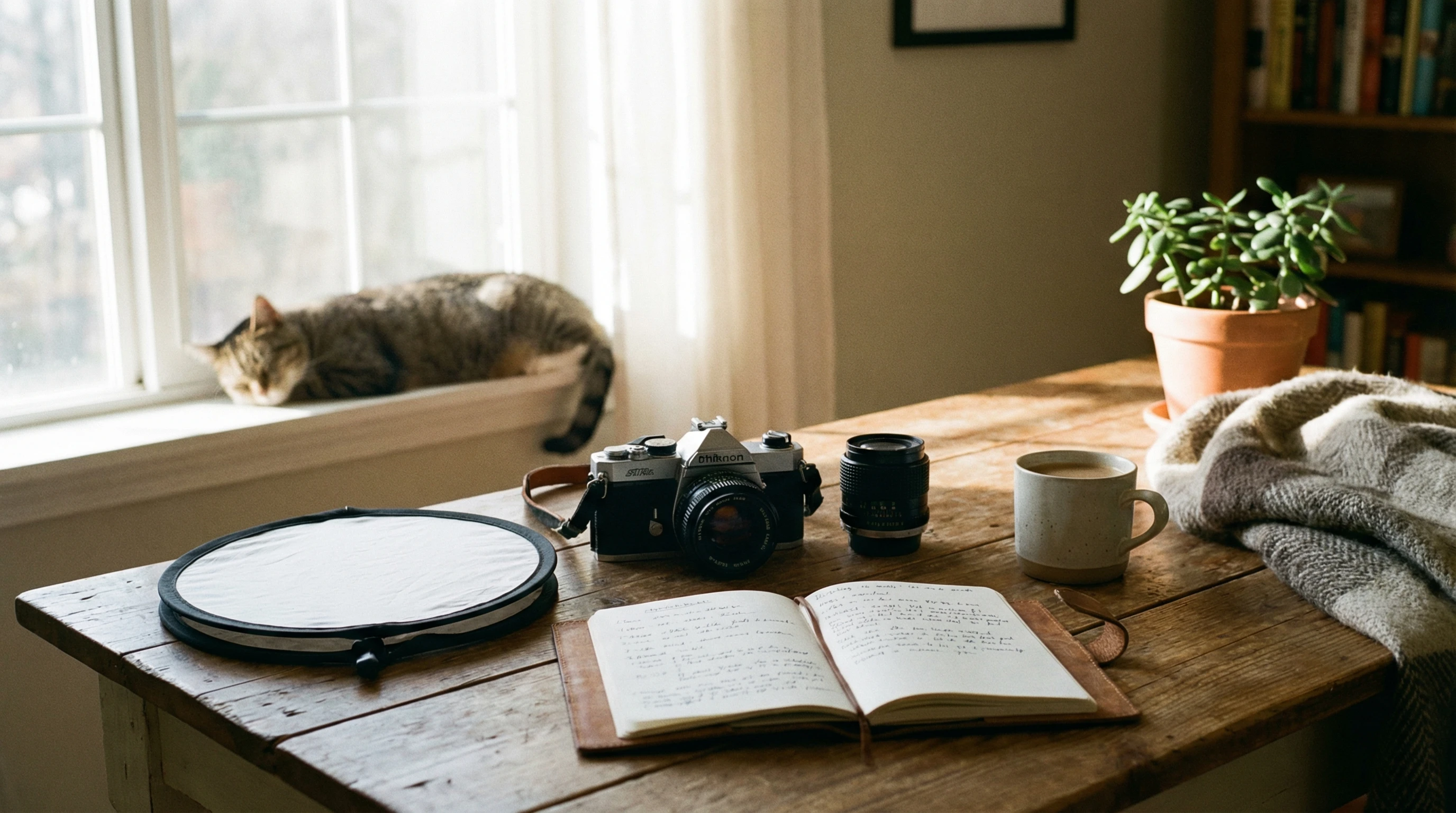
- Camera: Any camera, DSLR, mirrorless, or smartphone, can work for portraits if you know how to use it. If you’re using a camera with interchangeable lenses, a lens with a wider aperture (like f/1.8 or f/2.8) is super useful for creating those creamy, blurred backgrounds.
- Lens: For portraits, a 50mm or 85mm prime lens is a favorite because it flatters faces and gives a pleasant perspective.
- Lighting: Natural light is free and works great. If you’re shooting inside, try to place your subject near a window. Or, try small reflectors or basic LED lights to even out shadows.
- Background: A simple backdrop, like a blank wall or a nice outdoor spot, keeps the focus on your subject. Watch for distracting things in the background.
Starting with these basics gives you everything needed to create beautiful portraits while you’re learning the ropes. As you get more confident, you can slowly add new tools, like a tripod or a remote, to make your photo sessions easier and more fun.
The StepbyStep Process: How To Shoot Great Beginner Portraits
Learning to shoot portraits is not rocket science, but having a process helps. Here’s my goto way to approach a beginner portrait shoot.
- Pick Your Location: Look for places with soft, even lighting. Shady parks or rooms with large windows work great. Avoid midday sun outdoors because it can cause harsh shadows.
- Set Up Your Equipment: Choose your camera and lens, and check your battery and memory card space. Clean your lens—smudges can mess up your images.
- Frame the Shot: Guide your subject to stand a short distance from the background. This helps create blur and keeps the attention on them.
- Communicate and Get Involved: Chat with your subject to help them relax. Real laughter or candid moments usually make for better portraits than stiff poses.
- Adjust Settings: If you’re using a camera, try Aperture Priority (A/Av mode). Open the aperture wide (low fnumber) for blurry backgrounds, then set your ISO low unless you’re in dark conditions.
- Take the Shot and Review: Snap a few frames. Review the images for focus and lighting, and adjust as needed. Simple tweaks to your angle can change the whole vibe.
Repeating this basic process helps build your skills quickly and lets you experiment safely as you figure out your own favorite style. Don’t be afraid to switch things up in each session, and try reviewing your photos afterward to spot what worked best and what you’d like to tweak next time.
Common Challenges For Beginners (And How To Handle Them)
Every beginner hits a few bumps in the road. Here are some of the most common portrait photography challenges I ran into, plus a few ideas to get around them:
- Unflattering Light: Bright sun can cast harsh shadows. Find shade or wait for softer light near sunrise or sunset, which is often called “golden hour.”
- Awkward Poses: People can freeze up in front of a camera. Prompt them to look just past the camera, play with their hair, or switch their weight from one foot to the other. Keep things light and chatty.
- Distracting Backgrounds: Make sure nothing in the background pulls attention from your subject. Moving your angle a few steps to the left or right can make a big difference.
- Focus Trouble: Use your camera’s autofocus on the eyes. Sharp eyes are really important for portraits. If focus still feels off, try manual focus and doublecheck your shots as you go.
Once you start to spot these problems in your own portraits, solving them gets easier with a bit of practice. Try asking your friends for feedback, too, so you can get a sense of how others pick up on improvements in your photos.
Lighting: The Beginner’s Best Friend
Light is everything in photography, but you don’t need a full studio to make nice, flattering portraits. Natural light from a large window or open shade outdoors is super useful. The key is even, soft light that smooths skin and keeps shadows gentle. You can even use a cheap reflector (or a white poster board) to bounce a bit of light onto the subject’s face, filling in shadows and making eyes brighter. Sometimes a friend holding up a sheet of white paper just outside the frame is all you need to give your photo a boost.
Simple Posing Ideas That Work Every Time
Posing doesn’t have to be complicated or awkward. Keeping things relaxed is more important than memorizing stiff poses. Here are three foolproof poses I use:
- Classic “Look Away” Pose: Have the person look slightly away from the camera and smile softly. This usually feels less intimidating for them and looks natural.
- HandsinPockets: This is great for making anyone feel less selfconscious. It brings out a casual, relaxed style in any portrait.
- Lean Forward: Ask your subject to lean forward very slightly from the waist. It naturally connects the viewer and avoids stiff or flatlooking shots.
Encourage subjects to shift or move between shots. Fluid, natural movement often looks much better in photos than holding the same pose too long. Little prompts like asking your subject to laugh, look over their shoulder, or simply take a breath can help your photos feel more alive and spontaneous.
Extra Credit: Advanced Tips For When You’re Ready
Feeling comfortable with the basics? Try taking things up a notch with these advanced moves:
Shoot Wide Open: Use a low aperture for dreamy, blurry backgrounds, but be careful, focus can get tricky at wide apertures. Practice focusing on the eyes until it feels like second nature.
Experiment With Angles: Try crouching down or shooting from above to find flattering perspectives you haven’t seen yet. Each angle brings a different mood to the portrait, and you might stumble upon your signature look this way.
Edit With Care: Free photo editors like Snapseed (mobile) or Lightroom (desktop/mobile) are super handy for basic adjustments. Adjust exposure, add a touch of contrast, lift shadows, and try black and white for a timeless feel. Remember, subtle edits often look more natural and eye catching than heavy filters.
Playing around with these techniques pushes your portraits from good to great and helps you find your own style as a photographer. The more you try out different approaches, the more confident you’ll get behind the camera.
Portrait Photography In Real Life: Where To Practice
Nothing beats getting out and practicing what you’ve learned. Here are three of my favorite, lowstress ways for beginners to improve fast:
- Friends and Family Sessions: Ask people close to you if you can practice with them. No pressure, and everyone gets a few good photos out of it. Try giving them different prompts or see how they react to various locations and lighting setups.
- Outdoor Photo Walks: Bring your camera to a local park and try shooting portraits in different natural light spots. Watch how sunlight changes throughout the day and observe how it affects your photos so you can switch things up when needed.
- Creative Selfies: Use a tripod or set your camera timer and try experimenting on yourself. This is surprisingly useful for figuring out what angles and lighting work best before photographing others. Plus, it’s a good chance to try out new editing techniques on your own images.
The more you practice, the more comfortable you (and your subjects) get in front of the camera. Practice makes a huge difference in your confidence and technical skills.
Frequently Asked Questions
Here are answers to some common beginner questions about portrait photography:
Question: What’s the best camera for beginner portraits?
Answer: Any camera you have access to will do. Learning the basics with your phone or a simple digital camera gives you a solid foundation before thinking about upgrades or extras.
Question: How can I make someone feel comfortable for a portrait?
Answer: Talk to them, ask questions, and keep the mood light. Candid moments or shots between real conversations usually work best for capturing personality.
Question: Are editing apps necessary for portraits?
Answer: Editing isn’t mandatory, but it helps. Even simple tweaks, like brightening, adding contrast, or cropping unwanted background stuff, help your portraits look polished and professional.
Wrapping up: Getting Started With Portrait Photography
Learning portrait photography as a beginner is a lot about just paying attention to light, composition, and how your subject feels in front of the camera. Every photographer started somewhere, and the quickest way to get better is to keep shooting. Don’t worry about expensive equipment or super complex settings at first, the best camera and lens is the one you already have with you. Grab your gear, invite a friend for a simple photo session, and don’t stress about perfection. With practice and patience, you’ll be capturing awesome portraits before you know it.
Enjoy the creativity, try out new techniques, and remember to have fun; some of the best portraits come from experiments and happy accidents. The more confidence you build, the more your personality will shine through in your photos, and before long, you’ll be shooting portraits you’re truly proud of.