Night street photography can be both exciting and challenging. Low light opens up creative possibilities with vibrant city lights, shadows, and dramatic contrasts, but it also means your camera settings need a bit more thought. ISO is one of the trickiest parts to get right. In this article, I’ll break down how ISO works, how it affects your night street photos, and what steps you can take to choose the best settings for crisp, well-exposed shots after dark.
What Is ISO and Why Does It Matter for Night Street Photography?
ISO refers to your camera sensor’s sensitivity to light. Lower ISO values (like 100 or 200) make the sensor less sensitive, which works best in bright situations. Higher ISO numbers (such as 1600, 3200, or more) are used in darker scenes to help capture enough light without a tripod. At night, the streets are full of contrasts—bright neon, glowing streetlamps, and plenty of shadowy corners—which means bumping up your ISO is usually necessary.
When I first tried night street shooting, I thought boosting ISO would just brighten my scene. That’s true, but there’s more to it. Increased ISO brings in digital noise, which shows up as grainy specs in your image. This can be distracting if you push ISO too far, but with newer cameras (and some careful editing), it’s pretty manageable. The goal is to find the lowest ISO that still gives a good exposure and clean results.
How ISO, Shutter Speed, and Aperture Work Together at Night
ISO isn’t something you adjust in isolation; it’s just one part of the trio that controls how your image is exposed. Here’s a quick breakdown:
- Aperture: Wider apertures (like f/1.8 or f/2.8) let in more light, so you can use a lower ISO. Lenses with these wide apertures are super useful for night street photography.
- Shutter Speed: A slower shutter speed gives more light to the sensor but makes movement blurry. Fast moving cars or people? You’ll need a faster shutter speed, which usually calls for a higher ISO to keep things bright.
- ISO: Raise this when you’ve opened the aperture as much as you can and slowed your shutter as much as possible, but you still need a brighter shot.
Often, there’s a trade-off. Cranking up the ISO helps you freeze motion without blur, even after the sun’s down, but it might come at the cost of some graininess. I find most night street scenes work well between ISO 800 and 3200, but it really depends on your camera and the type of photo you want.
Step by Step Guide: Picking the Best ISO Setting for Night Streets
I usually go through a process like this when shooting at night:
- Start with the lowest ISO your camera allows. I dial down to ISO 100 or 200 and set my camera to aperture priority mode. Then I choose the widest aperture I have.
- Check your shutter speed. If it’s too slow (let’s say slower than 1/60s for handheld), I bump the ISO up until I hit a safe shutter speed that freezes motion, especially if there are people or moving cars in the frame.
- Take a test shot and zoom in. I make sure the image is sharp and not grainy. If it’s too dark, I raise ISO some more, one step at a time.
- Balance for noise. When I start to notice noise creeping in, I try to stop there. Sometimes a little grain actually adds to the mood, but there’s a limit before it gets too distracting.
Modern cameras let you comfortably push ISO pretty far without killing image quality; a big bonus for street photographers who want to shoot at night without a tripod. If you’re not sure, check your camera manual or reviews online to see how high you can go before images get too noisy.
Biggest Challenges with ISO Settings at Night (And How I Handle Them)
Night street photography sounds cool, but it brings some specific headaches. Here’s what I’ve run into and how I work around these:
- Image noise: High ISO creates noise, which is basically random specks across the image. Shooting in RAW and using noise reduction software like Lightroom helps clean things up in postprocessing.
- Motion blur: If you don’t want blurry people in your shot, aim for a shutter speed of at least 1/100s. To get there in low light, you usually have to bump up the ISO.
- Color shifts: Sometimes there are weird color tints at high ISO under streetlights. I fix this by shooting in RAW so I can adjust the white balance later.
- Extreme contrasts: You get blown out highlights from bright signs and deep darks elsewhere. Using moderately high ISO and trying exposure compensation helps stop the brightest parts of the scene from getting lost.
Practical Example: Shooting a Neon Lit Street
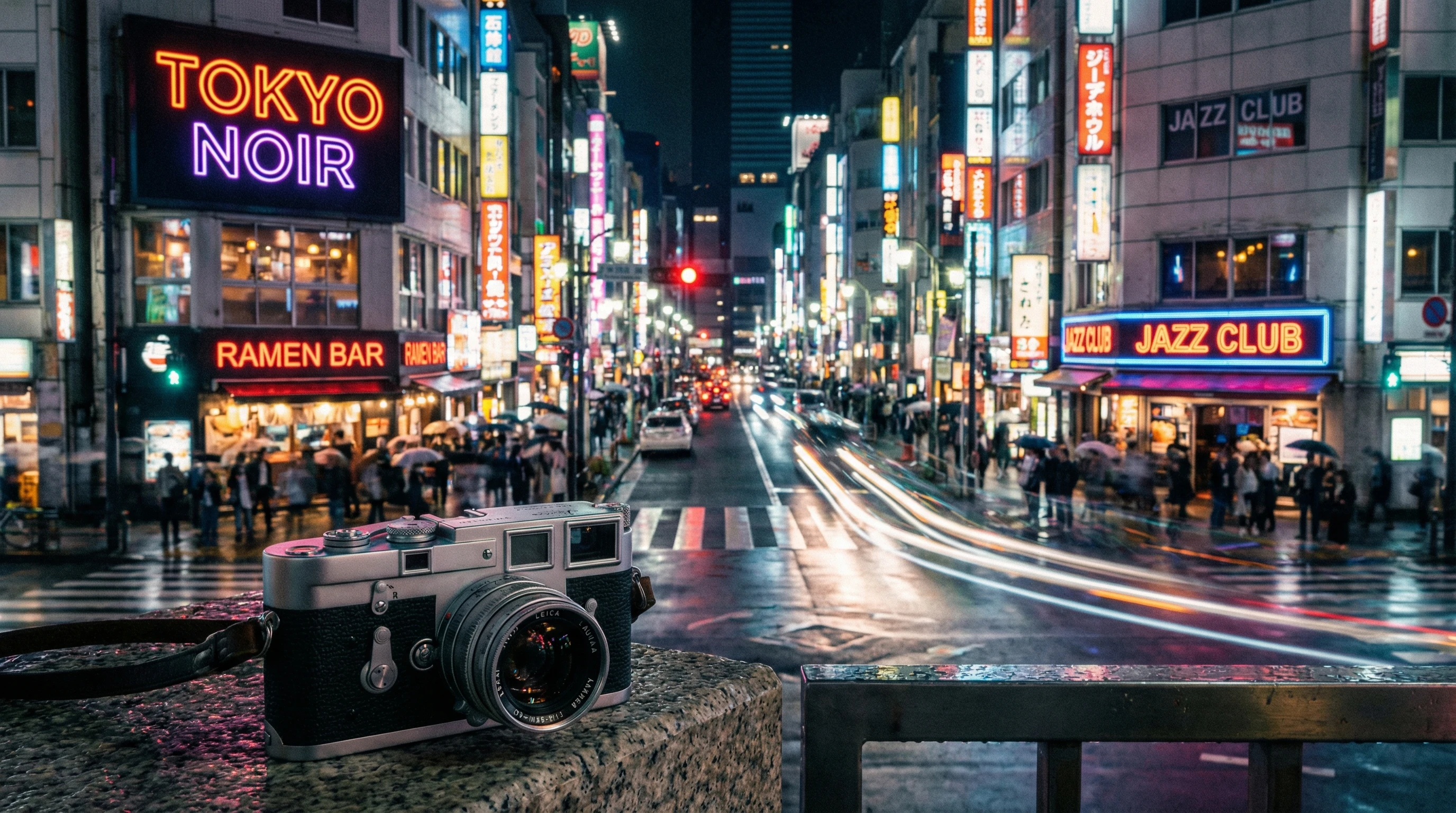
During a recent night walk, the bright neon lights made for a next level cool photo, but the shadows were dark. I set the camera to f/2.0 (as wide as my lens would allow) and started at ISO 800. The shutter speed ended up at 1/60s, which was okay for some slower movement. When a cyclist zipped through, I had to jump to ISO 1600 for a 1/125s shot that froze the action without too much noise. The key is checking your LCD or EVF and not being afraid to adjust settings on the fly.
If you’re out in a bustling downtown or exploring side streets, sometimes the natural atmospheres of restaurants and storefronts throw new lighting challenges at you. Try placing your subject closer to the brightest parts of the environment so you can keep ISO a bit lower, but don’t stress if you need to raise it to capture a memorable expression or urban detail. Playing around with where you stand in relation to streetlights and neon signs will give your photos punch while making sure your settings stay manageable.
Gear Considerations and Settings That Make Night ISO Easier
Your camera choice does make a difference with ISO performance at night. I’ve noticed:
- Full frame cameras handle high ISO much better than smaller sensor cameras. If you shoot street photos often and love low light work, this might be something worth saving for.
- Prime lenses with wide apertures (like f/1.4 or f/1.8) are really helpful. The extra light lets you keep ISO lower for cleaner images.
- Image stabilization helps you use slower shutter speeds, which means you can keep ISO down a bit, though it won’t stop motion blur from moving people or cars.
- Noise reduction in camera or in editing software can help, but don’t overdo it; too much can make images look muddy or smudged.
If you’re using a beginner camera or kit lens, don’t stress. Most newer cameras (even phones) let you adjust ISO manually and handle higher settings better than you’d expect. Try using manual mode occasionally to better learn the relationship between your ISO, aperture, and shutter speed.
Accessories matter, too. Small tripods, monopods, or even table tops can help if you want a longer exposure with lower ISO. Also, if you can, check out the native ISO settings of your camera. Some sensors perform best at specific values, so being aware of your camera’s strengths helps you get the most out of each night shoot.
Cool Features and Camera Settings That Help
- AUTO ISO: This is pretty handy for fast paced shooting. I set a maximum ISO I’m okay with (for example, 3200 or 6400), and let the camera handle adjustments while I focus on composition.
- Exposure Compensation: I sometimes knock exposure down by a stop to save highlights. The ISO may go up, but editing lets me pull out shadow detail later.
- Histogram & Highlight Warnings: Checking these while shooting lets me make sure nothing’s destroyed in the shadows or highlights, which matters a lot at night.
Another handy trick is using bracketing where possible. Some cameras offer the ability to shoot multiple exposures at different settings in quick succession. While you might not always have time for this on a busy street, it can help when you really want to nail the exposure without losing detail.
Common Questions About Night ISO Choices
Here are a few questions I often hear from folks starting out with night street photography:
Question: What’s a good starting ISO for night street shots?
Answer: I usually start around ISO 800–1600 when handheld. I go lower if there’s more light, and higher (up to 3200 or 6400) if the street is really dim or I need to freeze fast movement.
Question: Should I always use the lowest ISO possible?
Answer: Not always. Lower ISO means less noise, but if it makes your shutter speed too slow or your shots come out blurry, bumping up ISO is a better move for clear results.
Question: Can I fix high ISO noise later?
Answer: Noise reduction tools in Lightroom or Photoshop work really well, especially if you shoot in RAW. Don’t worry too much about a bit of grain; sometimes it adds character to street shots.
Question: Do different cameras handle ISO better?
Answer: Absolutely. Full frame cameras are cleaner at high ISO, but newer APS C and Micro Four Thirds cameras do surprisingly well. Try out your own setup and see where image quality starts to drop off for you.
Tips for Handling ISO at Night From My Own Experience
- Don’t be afraid of noise. Focus on capturing the moment, even a gritty shot can be powerful.
- Shoot in RAW, this gives way more flexibility in editing.
- Use available light creatively, stand near brighter signs or streetlamps to keep ISO lower.
- Take lots of test shots and chimp your results (that just means checking the screen often). Learning how your camera responds is the fastest way to grow.
- Experiment with black and white editing if color noise gets distracting; sometimes monochrome brings gritty scenes to life and makes digital grain look like classic film.
Good night street photos come down to knowing your camera, understanding how ISO interacts with other settings, and not worrying too much about perfection. Even if your first shots don’t turn out the way you pictured them, tweaks and a bit of learning go a long way. Have fun wandering, experimenting, and watching the city come alive after dark. Each shoot helps you find your unique style and makes facing the quirks of low light shooting a lot less daunting.